Turnip

Wakame

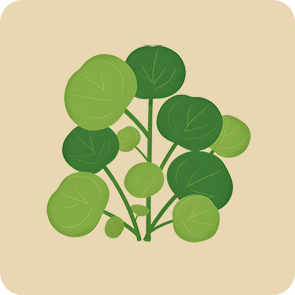
Watercress
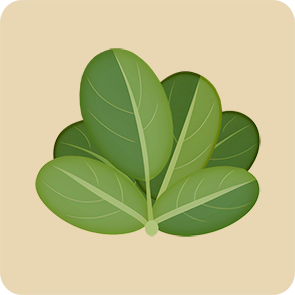
Peppery and crisp, watercress is a nutrient-dense leafy green that brings a flavorful kick and a powerhouse of vitamins to salads, sandwiches, and soups.
2
1 handful
(35 grams)
CAL
A
Nutri-Score
Rich in vitamins A, C, and K, and packed with antioxidants and phytonutrients.
Value per 100 grams & per cup (35g):
10 kcal / 5 kcal
Protein
2.3 grams / 0.8 grams
Fats
0.1 grams / 0 grams
Carbohydrates
1.3 grams / 0.4 grams
Fiber
0.5 grams / 0.2 grams
Vitamins & Nutrients
- Vitamin K: Crucial for blood clotting and bone health.
- Vitamin A: Supports vision and skin health.
- Vitamin C: Boosts the immune system and aids in collagen production.
- Calcium: Contributes to bone strength.
- Antioxidants (Glucosinolates): May help protect against cancer.
Satiety and Feelings
Watercress is not particularly filling on its own due to its very low calorie and fiber content, but it adds flavor and nutrition to more substantial meals.
What does 100 g look like?
Roughly 3 cups of raw, loose watercress leaves.
What does 2000/2500 calories look like?
Around 18 kilograms or over 100 cups of raw watercress.
Daily Value per 100 grams %
Did you know?
Watercress is one of the oldest known leafy vegetables consumed by humans.
It belongs to the Brassicaceae family—just like broccoli, cabbage, and mustard greens.
It was once used as a natural remedy for scurvy due to its high vitamin C content.
Hippocrates, the father of medicine, reportedly built his first hospital near a stream to ensure a constant supply of fresh watercress.
Its sharp, peppery taste comes from glucosinolates, which may support detoxification.
Drawback
Low in calories and protein, so it doesn’t provide sustained energy or fullness.
Can be contaminated if grown in polluted water—always wash thoroughly.
High intake may interfere with blood thinners due to very high vitamin K levels.