Napa Cabbage

Parsnip

Peas
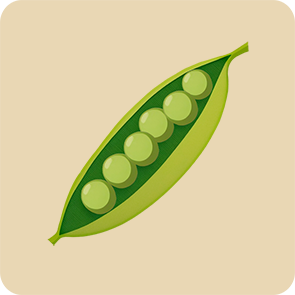
Peas are small, sweet, and packed with nutrients. They’re versatile in dishes like soups, salads, or as a side, offering a good source of protein and fiber.
65
½ cup, shelled
(8 grams)
CAL
A
Nutri-Score
High in protein, fiber, and vitamins.
Value per 100 grams & per cup (160g):
80 kcal / 130 kcal
Protein
5 grams / 8 grams
Fats
0.4 grams / 0.6 grams
Carbohydrates
14 grams / 22 grams
Fiber
5 grams / 8 grams
Vitamins & Nutrients
- Vitamin C: Boosts immunity and promotes skin health.
- Vitamin A: Supports vision and cell growth.
- Folate: Important for DNA synthesis and cell division.
- Iron: Essential for blood production and oxygen transport.
Satiety and Feelings
Peas are filling due to their fiber and protein content, making them a great choice for maintaining steady energy levels.
What does 100 g look like?
About 1/2 cup of peas.
What does 2000/2500 calories look like?
About 7000 pea pods or 30 cups of peas (6 kg).
Daily Value per 100 grams %
Vitamin C
45%
Vitamin B9 (Folate)
15%
Iron
10%
Vitamin A
5%
Fiber
20%
Protein
10%
Sodium (Salt)
1%
Carbohydrates
5%
Total Fat
0%
Saturated Fat
Saturated Fat
0%
Cholesterol (free)
0%
Sugar (natural)
5%
Calories
5%
Did you know?
- Peas are among the earliest cultivated crops, dating back to 10,000 years ago.
- Green peas are actually the immature form of the dried pea, harvested before they ripen.
- Frozen peas are often more nutritious than fresh peas because they are frozen immediately after picking, preserving their vitamins.
- The pea plant is a natural source of nitrogen, which enriches soil and improves farming productivity.
Drawback
- Can cause bloating or gas in some individuals due to fiber and certain carbohydrates.
- High in natural sugars, so may impact blood sugar levels in large quantities.
- May cause an allergic reaction in sensitive individuals, particularly in those with a legume allergy.