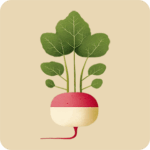
Radish
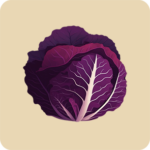
Red Cabbage

Beet
Red beets are a nutrient-packed, earthy vegetable with a slightly sweet flavor, adding color and nutrition to any dish.
45
medium size beet
(100 grams)
CAL
A
Nutri-Score
Low in calories, high in fiber, and a great source of antioxidants.
Value per 100 grams & per cup (136g):
45 kcal / 60 kcal
Protein
1.6 grams / 2.2 grams
Fats
0.2 grams / 0.3 grams
Carbohydrates
9.5 grams / 13 grams
Fiber
2.8 grams / 3.8 grams
Vitamins & Nutrients
- Vitamin C: Boosts immune function and promotes skin health.
- Folate (Vitamin B9): Aids in DNA synthesis and cell division.
- Potassium: Helps maintain fluid balance and proper muscle function.
- Iron: Supports red blood cell production and oxygen transport.
- Antioxidants (Betalains): Help fight inflammation and oxidative stress.
Satiety and Feelings
Red beets offer a crunchy bite, are high in fiber for fullness, and provide sustained energy without spiking blood sugar.
What does 100 g look like?
A little less than half a medium-sized beetroot or 1/2 cup of cubed beets.
What does 2000/2500 calories look like?
About 50 beets (5 kg)
Daily Value per 100 grams %
Betalains (Antioxidant)
90%
Vitamin B9 (Folate)
30%
Vitamin C
10%
Potassium
10%
Fiber
10%
Protein
5%
Sodium (Salt)
1%
Carbohydrates
5%
Total Fat
0%
Saturated Fat
Saturated Fat
0%
Cholesterol (free)
0%
Sugar (natural)
10%
Calories
2%
Did you know?
- Beets were first cultivated by the ancient Romans, who used them for both food and medicine.
- Beet juice is often consumed by athletes as a natural way to enhance stamina and performance.
- The beetroot’s deep color is due to betalains, which have antioxidant and anti-inflammatory properties.
- Beets can help lower blood pressure due to their high content of nitrates, which improve blood flow and heart health.
- Red beet greens are also edible and highly nutritious, rich in vitamin A, vitamin C, and calcium.
Drawback ⚠️
- High in natural sugars, which can affect blood sugar levels if consumed in excess.
- Beetroot stains can be difficult to remove from clothing and hands.
- Some people experience beeturia, where urine or stool turns pink or red after eating beets, but it’s harmless.