Eggplant

Chili Pepper
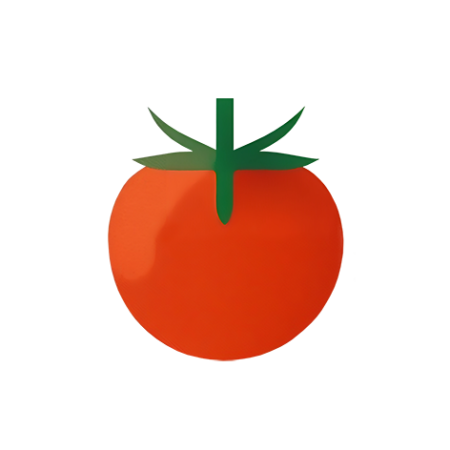
Cherry Tomato
Cherry tomatoes are small, sweet, and juicy. Packed with nutrients and flavor, they’re perfect for snacking, salads, or adding brightness to cooked dishes.
30
10 berries
(170 grams)
CAL
A
Nutri-Score
Very low in calories, rich in antioxidants, and a great source of vitamins A and C.
Value per 100 grams & per cup (150g):
20 kcal / 25 kcal
Protein
1 gram / 1.5 grams
Fats
0.2 grams / 0.3 grams
Carbohydrates
10 grams / 6 grams
Fiber
1.2 grams / 1.8 grams
Vitamins & Nutrients
- Vitamin C: Boosts immune function and supports skin health.
- Vitamin A: Supports vision and immunity.
- Lycopene: A powerful antioxidant that may protect cells from damage.
- Potassium: Helps regulate blood pressure and muscle function.
Satiety and Feelings
Cherry tomatoes are hydrating and refreshing, but not very filling on their own. They’re best used as a flavorful, low-calorie addition to meals.
What does 100 g look like?
About 1 cup, or 10–12 cherry tomatoes.
What does 2000/2500 calories look like?
About 110–140 cups, or 1,100–1,400 cherry tomatoes (11–14 kg!).
Daily Value per 100 grams %
Did you know?
Cherry tomatoes originated in South America and were cultivated by the Aztecs as early as the 15th century.
The modern cherry tomato was further developed in Israel in the 1970s to improve shelf life and sweetness.
They’re rich in lycopene, an antioxidant linked to reduced risk of heart disease and certain cancers.
Tomatoes are technically fruits, though they’re usually treated as vegetables in cooking.
There are dozens of varieties, including grape, pear, and rainbow cherry tomatoes.
Drawback
While healthy, cherry tomatoes are slightly acidic, which may trigger discomfort in people with acid reflux.
The skins can be difficult to digest for some individuals.
Eating large amounts may cause mild bloating due to fiber and natural sugars.