Red Sauerkraut

Rutabaga
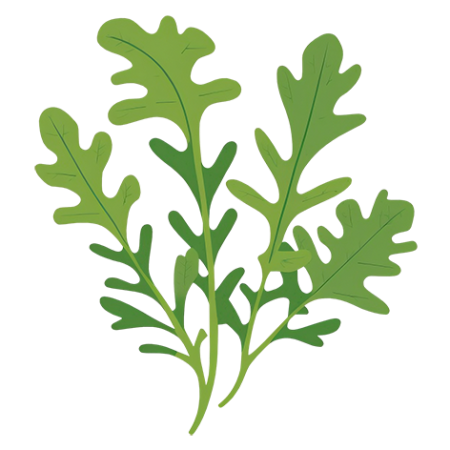
Arugula
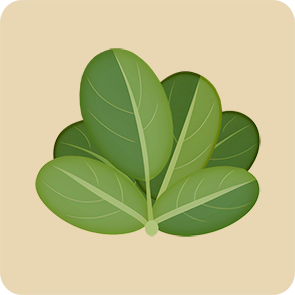
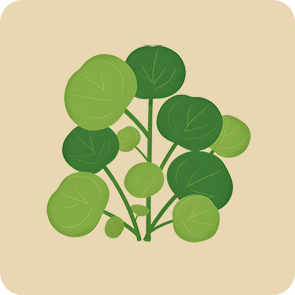
A peppery, leafy green, arugula adds a bold flavor to salads and dishes. It's low in calories but high in beneficial nutrients.
5
1 cup
(20 grams)
CAL
A
Nutri-Score
Low in calories, rich in vitamins and antioxidants, and great for heart and bone health.
Value per 100 grams & per cup (20g):
25 kcal / 5 kcal
Protein
2.5 grams / 0.50 grams
Fats
0.7 grams / 0.15 grams
Carbohydrates
3.7 grams / 0.75 grams
Fiber
1.5 grams / 0.32 grams
Vitamins & Nutrients
- Vitamin K: Crucial for blood clotting and bone strength.
- Vitamin A: Supports eye and skin health.
- Folate (B9): Helps with cell growth and DNA formation.
- Calcium: Aids in bone health and muscle function.
- Antioxidants (Glucosinolates): May support detoxification and immune function.
Satiety and Feelings
Its bold, peppery flavor adds excitement to meals without many calories. The fiber helps you feel a bit fuller, and it works great as a fresh base for meals.
What does 100 g look like?
Roughly 5 tightly packed cups of arugula.
What does 2000/2500 calories look like?
About 80–100 cups (1.6 to 2 kg) of arugula.
Daily Value per 100 grams %
Did you know?
Arugula has been enjoyed since Roman times and was even considered an aphrodisiac.
Its peppery taste comes from glucosinolates, the same compounds found in mustard and broccoli.
Arugula is technically a cruciferous vegetable, like cabbage and kale.
It grows quickly, often maturing in just 3–4 weeks after planting.
Arugula is sometimes called “rocket” in Europe.
Drawback
Its strong taste isn’t for everyone, especially in large amounts.
High in vitamin K, which may interfere with blood-thinning medications.
May spoil quickly, especially if not stored properly.