Celeriac

Butternut

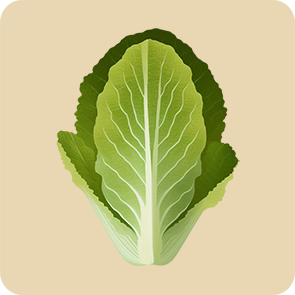
Butter Lettuce
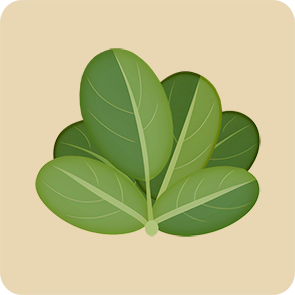
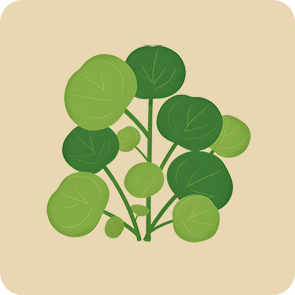
A mild and leafy green, butter lettuce adds a refreshing crunch to salads and wraps. Its smooth texture and subtle flavor make it a perfect base for lighter dishes.
45
one head
(350 grams)
CAL
A
Nutri-Score
Low in calories, rich in vitamin K and folate.
Value per 100 grams & per cup (55g):
15 kcal / 5 kcal
Protein
1.3 grams / 0.5 grams
Fats
0.2 grams / 0.1 grams
Carbohydrates
2 grams / 1 grams
Fiber
1 grams / 0.5 grams
Vitamins & Nutrients
- Vitamin K: Essential for blood clotting and bone health.
- Folate (Vitamin B9): Supports DNA synthesis and cell growth.
- Vitamin A: Helps maintain vision and skin health.
- Iron: Supports red blood cell production.
- Manganese: Aids metabolism and bone formation.
Satiety and Feelings
Butter lettuce is light and hydrating, offering gentle crunch and volume to meals without adding many calories. The fiber adds a subtle fullness, perfect for low-calorie meal plans.
What does 100 g look like?
Roughly 6–7 loose cups of leaves or 1 small head of butter lettuce.
What does 2000/2500 calories look like?
About 60 heads of lettuce (10 kg).
Daily Value per 100 grams %
Did you know?
Butter lettuce gets its name from its soft, buttery texture, not because it contains any butter.
- Lettuce is part of the daisy family (Asteraceae), which also includes sunflowers and artichokes.
Lettuce was first cultivated by the ancient Egyptians, who considered it a sacred plant associated with fertility and used it in religious ceremonies.
- During Roman times, lettuce was eaten at the end of a meal to help with sleep because of its mild sedative properties.
Butter lettuce is also known as Boston or Bibb lettuce, with Bibb being a smaller, more delicate variety.
Drawback
Low in protein, so it shouldn’t be the only vegetable in a meal.
Perishable and bruises easily, making storage tricky.
Not as rich in fiber as darker leafy greens like kale or spinach.