Bok Choy
Broccoli
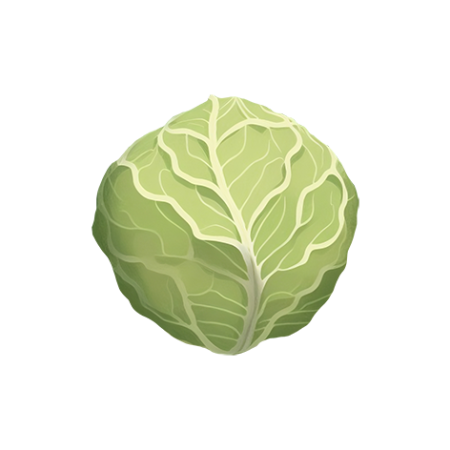
Brussels Sprout
A tiny green vegetable with a strong, earthy flavor, high in vitamins and minerals. Whether roasted, steamed, or sautéed, they are a great addition to a balanced diet.
5
medium size
(15 grams)
CAL
A
Nutri-Score
Low in calories, rich in fiber, and packed with essential nutrients.
Value per 100 grams & per cup (155):
45 kcal / 65 kcal
Protein
3.5 grams / 5.5 grams
Fats
0.3 grams / 0.5 grams
Carbohydrates
9 grams / 15 grams
Fiber
4 grams / 6 grams
Vitamins & Nutrients
- Vitamin K: Essential for blood clotting and bone health.
- Vitamin C: Supports immune function and skin health.
- Folate (Vitamin B9): Supports DNA synthesis and cell growth.
- Iron: Supports red blood cell production.
- Antioxidants (Glucosinolates): May support cancer prevention.
Satiety and Feelings
Brussels sprouts offer a satisfying crunch and a strong flavor. Their fiber content helps keep you feeling full, while the natural sugars provide a steady release of energy.
What does 100 g look like?
About 4 medium Brussels sprouts.
What does 2000/2500 calories look like?
About 230 Brussels sprouts (6 kg).
Daily Value per 100 grams %
Did you know?
Brussels sprouts are named after the Belgian city of Brussels, where they were first widely cultivated.
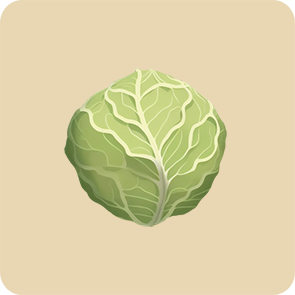
Brussels sprouts are members of the cabbage family, along with kale, broccoli, and cauliflower.
The sprouts are essentially small cabbages, growing on a stalk and harvested in clusters.
The sprouts have been shown to contain sulforaphane, a compound linked to anti-cancer properties.
Drawback
Some people may find Brussels sprouts difficult to digest due to their fiber content, causing gas and bloating.
Brussels sprouts can develop a bitter taste when overcooked, which may put off some people from eating them.
In rare cases, Brussels sprouts may cause an allergic reaction in individuals sensitive to the cruciferous vegetable family.