Spaghetti Squash

Shimeji
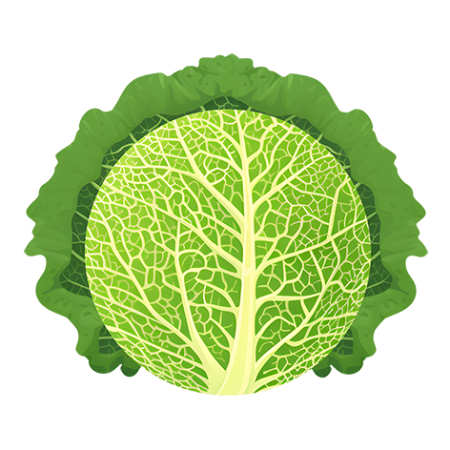
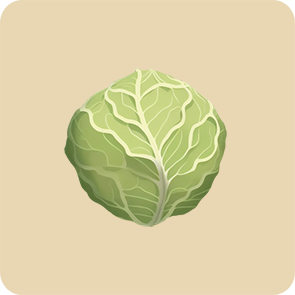
Savoy Cabbage
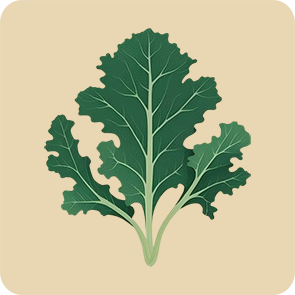
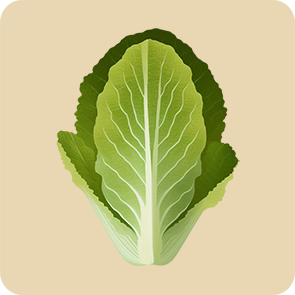
Savoy cabbage is a crinkled-leafed, mild cabbage variety that offers a tender texture and subtle flavor. It’s perfect for a variety of dishes, from salads to soups.
270
1 medium head
(1000 grams)
CAL
A
Nutri-Score
High in fiber and vitamin C, with a mild, tender texture.
Value per 100 grams & per cup (70g):
25 kcal / 20 kcal
Protein
1.6 grams / 1.1 grams
Fats
0.2 grams / 0.1 grams
Carbohydrates
6.5 grams / 4.5 grams
Fiber
2.5 grams / 1.8 grams
Vitamins & Nutrients
- Vitamin C: Supports immune function and skin health.
- Vitamin K: Important for blood clotting and bone health.
- Folate: Supports healthy cell function and fetal development.
- Calcium: Important for strong bones and teeth.
Satiety and Feelings
The fiber and mild, crisp texture of savoy cabbage make it a satisfying addition to meals. It can provide a light fullness without being overly heavy.
What does 100 g look like?
About 1 1/2 cups of shredded savoy cabbage.
What does 2000/2500 calories look like?
Approximately 8 heads of savoy cabbage (5kg).
Daily Value per 100 grams %
Did you know?
Savoy cabbage has a crinkled texture and is often referred to as the “delicate cousin” of regular cabbage due to its tender leaves.
It’s a cool-weather vegetable often grown in the fall and winter.
Savoy cabbage contains more water than other cabbage varieties, making it lower in calories but high in hydration.
It is often used in soups, salads, and stir-fries for its mild flavor and tender leaves.
Savoy cabbage was originally cultivated in Italy, where it still remains a popular vegetable.
Drawback
High fiber content may cause bloating or gas if consumed in large quantities, especially for those with sensitive digestive systems.
Raw savoy cabbage can be tough to digest for some individuals, so it is often better consumed cooked.