Daikon

Corn Salad
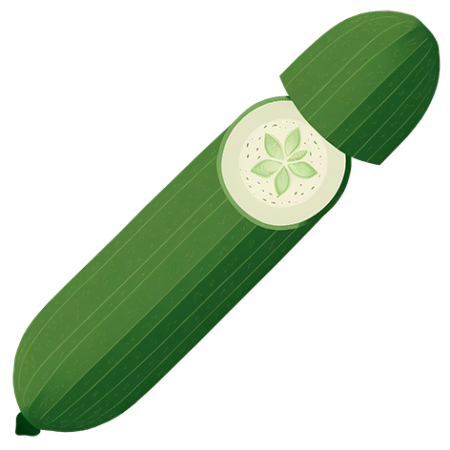
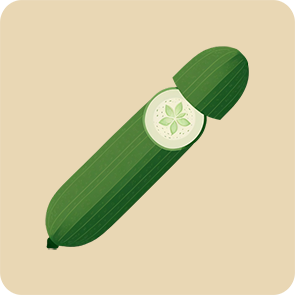
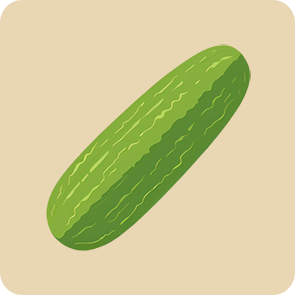
Cucumber
A hydrating, crunchy vegetable with high water content, perfect for salads or a refreshing snack.
30
medium size
(200 grams)
CAL
A
Nutri-Score
Low in calories, high in water content, and a good source of antioxidants.
Value per 100 grams & per cup (100g):
15 kcal
Protein
0.7 grams
Fats
0.1 grams
Carbohydrates
3.5 grams
Fiber
0.5 grams
Vitamins & Nutrients *
- Vitamin K: Essential for blood clotting and bone health.
- Vitamin C: Supports immune function and skin health.
- Potassium: Helps regulate fluid balance and muscle function.
- Magnesium: Aids in muscle and nerve function.
Satiety and Feelings
Cucumbers offer a crunchy, refreshing bite with water and fiber to curb hunger, making them a low-calorie choice for those watching their intake.
What does 100 g look like?
About half a medium apple or 7–8 slices or 1/2 cup sliced.
What does 2000/2500 calories look like?
About 130 cucumbers (15 kg).
* Low in vitamins and minerals but....
Its main benefit is hydration, since it’s about 95% water, and it adds volume to meals without many calories.
Daily Value per 100 grams %
Did you know?
Cucumbers are actually a type of fruit of the gourd family, related to melons, pumpkins, and squash.
Cucumbers are made up of about 95% water, making them one of the most hydrating foods you can eat.
Ancient Egyptians used cucumbers for skin care, and Cleopatra is said to have used cucumber slices on her eyes to reduce puffiness.
The first cucumbers were cultivated in India over 3,000 years ago.
Drawback
Cucumbers can cause bloating in some people due to their high water and fiber content.
Some varieties of cucumber have a bitter taste due to compounds called cucurbitacins, though this is usually removed by peeling.
Seeds in cucumbers may be hard to digest for some individuals.