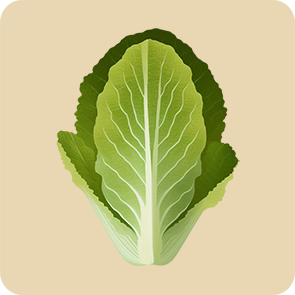
Butter Lettuce
Avocado

Butternut Squash
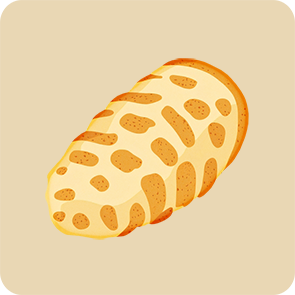
Butternut squash is a sweet, nutty vegetable rich in essential vitamins and minerals. It’s versatile, perfect for roasting, pureeing, or adding to soups and stews.
90
1 half
(200 grams)
CAL
A
Nutri-Score
Rich in vitamins A and C, high in fiber, and naturally low in fat.
Value per 100 grams & per cup (205g):
45 kcal / 90 kcal
Protein
1 gram / 2 grams
Fats
1 grams / 2 grams
Carbohydrates
12 grams / 25 grams
Fiber
2 grams / 4 grams
Vitamins & Nutrients
- Vitamin A: Supports vision and immune function.
- Vitamin C: Helps boost the immune system and protect against oxidative stress.
- Potassium: Helps regulate blood pressure and maintain fluid balance.
- Antioxidants (Beta-Carotene and Lutein): Protects against cellular damage and supports eye health.
Satiety and Feelings
Butternut squash offers natural sweetness and a satisfying texture, helping curb hunger with its fiber and steady energy-releasing carbs, all while being low in calories.
What does 100 g look like?
About 1/8 of a medium squash or 1/2 cup cooked.
What does 2000/2500 calories look like?
About 25 medium butternut squashes (15 kg).
Daily Value per 100 grams %
Did you know?
Butternut squash is technically a type of fruit and belongs to the gourd family (pumpkins, cucumbers, melons, etc)
It was first cultivated in Central America and is now widely grown in many parts of the world.
Butternut squash seeds can be roasted and eaten as a nutritious snack, much like pumpkin seeds.
Drawback
Butternut squash is high in natural sugars, which could affect blood sugar levels if consumed in excess.
May cause bloating in some individuals due to its fiber content.
The skin of butternut squash can be tough and difficult to peel without the right tools, which might make preparation a bit challenging.