Oyster Mushroom

Iceberg Lettuce

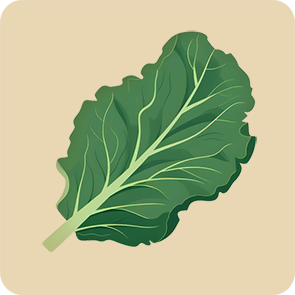
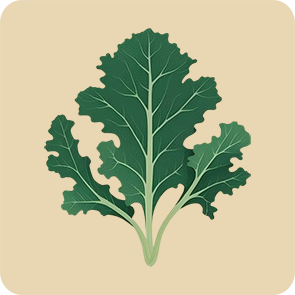
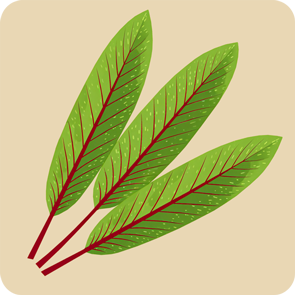
Mustard Greens
A leafy green with a peppery bite, mustard greens are loaded with vitamins A, C, and K. They can be eaten raw in salads or cooked in soups, stews, or stir-fries.
15
one handful
(55 grams)
CAL
A
Nutri-Score
Low in calories and rich in vitamins and antioxidants.
Value per 100 grams & per cup (55g):
25 kcal / 15 kcal
Protein
10 grams / 1.5 grams
Fats
0.5 grams / 0.2 grams
Carbohydrates
5.5 grams / 3 grams
Fiber
5 grams / 2 grams
Vitamins & Nutrients
- Vitamin A: Essential for healthy vision and immune function.
- Vitamin C: A powerful antioxidant that supports immune health.
- Vitamin K: Important for bone health and blood clotting.
- Folate: Supports cell function and tissue growth.
Satiety and Feelings
With their high fiber content, mustard greens help curb hunger and promote a feeling of fullness. Their peppery flavor adds a zing to dishes while still being low in calories.
What does 100 g look like?
About 2 cups chopped or roughly 1 large handful.
What does 2000/2500 calories look like?
You'd need approximately 7–9 kg of mustard greens to reach that amount.
Daily Value per 100 grams %
Did you know?
Mustard greens are part of the cruciferous vegetable family, which includes broccoli, cabbage, and kale.
The peppery flavor comes from glucosinolates, a group of compounds that also have potential cancer-fighting properties.
Historically, mustard greens were used as a medicinal plant to treat ailments like coughs and digestive issues.
Mustard greens are one of the best plant sources of Vitamin K, supporting healthy bone and blood function.
Drawback
Can be bitter when eaten raw, which may not appeal to everyone.
High in oxalates, which can affect calcium absorption if consumed in large amounts.
Can cause gas or bloating in some individuals due to their fiber content.