Sugar

Soft Serve
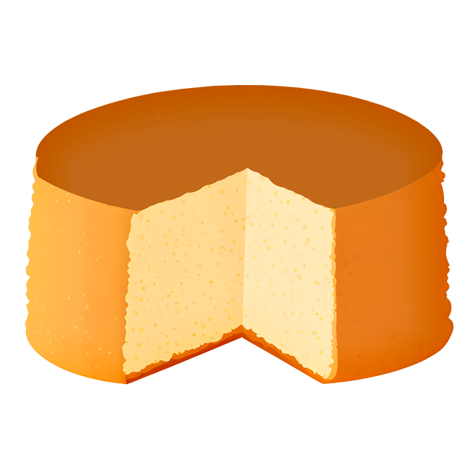
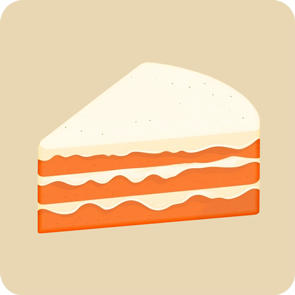
Sponge Cake
Known for its soft, fluffy texture, sponge cake is often used as a base for layered desserts and pairs well with fruit and cream.
260
1 slice
(90 grams)
CAL
E
Nutri-Score
Contains some protein and low fat but also high in sugar and refined carbohydrates.
Value per 100 grams & per cup (125g):
280 kcal | 350 kcal
Protein
6 grams | 7.5 grams
Fats
7 grams | 9 grams
Carbohydrates
45 grams | 55 grams
Fiber
1 gram | 1.5 grams
Vitamins & Nutrients
- Vitamin B12: Supports nerve function and energy.
- Vitamin A: Important for vision and immunity.
- Iron: Aids oxygen transport in the blood.
Satiety and Feelings
Sponge cake is light and low in fat, providing a quick energy boost but less lasting fullness compared to denser desserts.
What does 100 g look like?
About 1 slice of sponge cake, roughly ½ cup when crumbled.
What does 2000 | 2500 calories look like?
About 7 slices or 3 ½ cups (700 grams / 1.54 lbs).
Daily Value per 100 grams %
Did you know?
Sponge cake dates back to the Renaissance and was prized for its airy texture achieved by whipping eggs.
It’s a popular base for many classic desserts like Swiss roll and trifle.
Its simplicity makes it a versatile cake for layering and decorating.
Drawbacks ⚠️
Often low in fat, which can make it dry and less satisfying without added syrups or creams.
Made with refined flour, offering little fiber and causing quicker blood sugar spikes.
Relies heavily on eggs for structure, making it unsuitable for those with egg allergies or dietary restrictions.