Liege Waffle

Ice Cream Sandwich

Jelly Beans
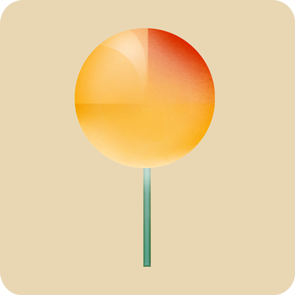
Jelly beans are small, bean-shaped candies with a hard sugar shell and a chewy center, available in many flavors and colors.
10
1 piece
(2.5 grams)
CAL
E
Nutri-Score
High in sugar and low in nutrients.
Value per 100 grams & per cup (150g):
380 kcal | 570 kcal
Protein
2 grams | 3 grams
Fats
None
Carbohydrates
90 grams | 135 grams
Fiber
None
Vitamins & Nutrients
None worth mentioning
Satiety and Feelings
Jelly beans provide a quick sugar rush but lack fiber and protein, so they don’t help with fullness and can encourage overeating.
What does 100 g look like?
About 85–90 jelly beans or ¾ cup.
What does 2000 | 2500 calories look like?
About 3 cups or 260–300 jelly beans (540 grams / 1.19 lbs.)
Daily Value per 100 grams %
Did you know?
Jelly beans originated in the United States in the late 1800s and became popular as an Easter candy.
The hard outer shell is made with confectioner’s glaze (shellac), derived from insect secretions.
Flavors range from fruity and sweet to spicy and sour, making them very versatile.
Jelly beans have inspired numerous pop culture references and contests (like the famous Jelly Bean Count).
Drawbacks ⚠️
- Very high in sugar, contributing to tooth decay and blood sugar spikes.
- Contains artificial colors and flavors, which some people prefer to avoid.
- Provides no significant vitamins, minerals, or fiber.