Banana Pie

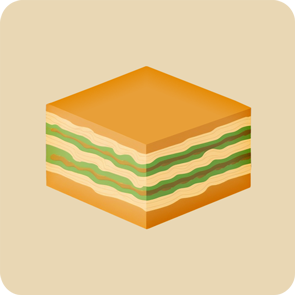
Baklava

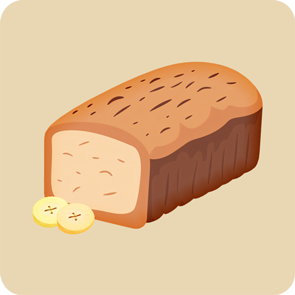
Banana Bread
Soft and hearty, banana bread is a dense loaf made with ripe bananas, often spiced with cinnamon or nutmeg. It’s a popular comfort food, perfect as a breakfast or snack.
260
1 slice
(100 grams)
CAL
D
Nutri-Score
Contains potassium, vitamin B6, and small amounts of fiber, includes added sugars and refined flour.
Value per 100 grams & per cup (120g):
325 kcal | 390 kcal
Protein
5 grams | 6 grams
Fats
14 grams | 17 grams
Carbohydrates
45 grams | 55 grams
Fiber
2.5 grams | 3 grams
Vitamins & Nutrients
- Potassium: Supports blood pressure and nerve function.
- Vitamin B6: Helps with energy metabolism and brain health.
- Magnesium: Important for muscle and nerve regulation.
- Iron: Helps transport oxygen in the body.
Satiety and Feelings
Banana bread is filling and satisfying thanks to its moist texture and natural sweetness, but the refined flour and sugar mean it might not keep you full for long.
What does 100 g look like?
Roughly 1 slice or ½ cup of banana bread.
What does 2000 | 2500 calories look like?
About 7 ½ slices or 3 ¾ cups (850 grams / 1.87 lbs).
Daily Value per 100 grams %
Did you know?
Banana bread gained popularity in the 1930s, when baking soda and baking powder became common household ingredients.
Overripe bananas not only make the bread sweeter but also add moisture, reducing the need for extra fats.
Many versions include nuts (like walnuts) for added texture and nutrients.
Some recipes use whole wheat flour or oats to improve the fiber content.
Drawbacks ⚠️
Often made with white flour and added sugars, which can lead to blood sugar spikes.
Low in fiber and protein, which means it may not promote long-term fullness.
Store-bought varieties may contain preservatives, excess fats, and artificial flavorings.
Even though it sounds healthy, many versions are closer to cake in nutrition.