Carrot Cake

Cannoli

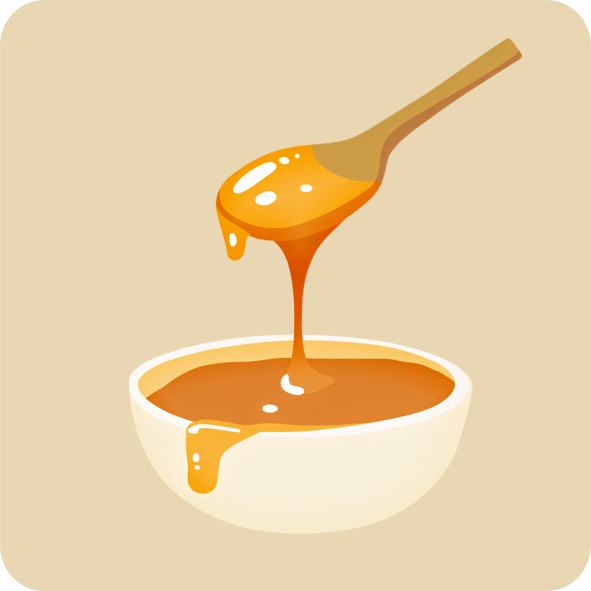
Caramel
Soft and chewy, caramel candy is made by heating sugar, cream, and butter, resulting in a rich, golden-brown confection popular on its own or in desserts.
40
1 medium piece
(10 grams)
CAL
E
Nutri-Score
Contains simple sugars, barely any protein an no fiber.
Value per 100 grams & per cup (130g):
380 kcal | 495 kcal
Protein
0.4 grams | 0.5 grams
Fats
8 grams | 10.5 grams
Carbohydrates
90 grams | 115 grams
Fiber
None
Vitamins & Nutrients
- Calcium: Supports bone health (from cream or milk used).
- Phosphorus: Works with calcium to strengthen bones and teeth.
- Vitamin A: Supports skin and vision (from butter).
- Copper: Supports energy production and brain function.
Satiety and Feelings
Caramel candies are satisfyingly sweet and rich, but offer minimal lasting fullness due to low fiber and protein content.
What does 100 g look like?
About 10 medium caramel candies or ¾ cup packed pieces.
What does 2000 | 2500 calories look like?
About 50 to 62 caramel candies, or 5 to 6 ¼ cups packed (2.5 to 3.1 kilograms / 5.5 to 6.8 lbs)
Daily Value per 100 grams %
Did you know?
Caramel is made by heating sugar slowly to around 170°C (338°F).
The word “caramel” likely comes from the Latin “cannamellis”, meaning “sugar cane.”
Salted caramel, a modern twist, became a global hit in the early 2000s.
Caramel can be soft, chewy, or hard depending on how long it’s cooked and what ingredients are used.
Drawbacks ⚠️
Very high in sugar, which may spike blood sugar and affect dental health.
Contains saturated fats from butter and cream.
Lacks nutrients, making it an empty-calorie food.
Offers no fiber, which limits satiety.