Coffee
Whole Grain Bread
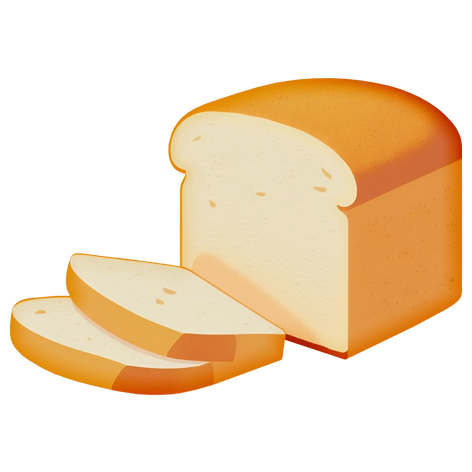
White Bread
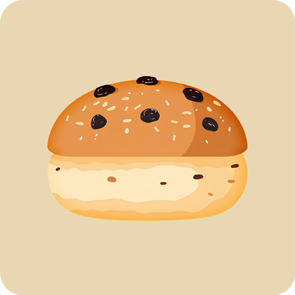
Soft and fluffy, white bread is made from refined wheat flour and is a popular staple in sandwiches and toasts. It's often fortified, but lacks the natural fiber found in whole grains.
160
1 medium slice
(60 grams)
CAL
C
Nutri-Score
Contains carbohydrates for quick energy, but low in fiber and micronutrients due to refining.
Value per 100 grams & per cup (120gr):
265 kcal | 320 kcal
Protein
8 grams | 10 grams
Fats
3.5 grams | 4 grams
Carbohydrates
50 grams | 60 grams
Fiber
2 grams | 2.5 grams
Vitamins & Nutrients
- Vitamin B9 (Folate): Supports cell growth and metabolism.
- Iron: Important for oxygen transport in the blood.
- Calcium: Helps build strong bones and teeth.
- Vitamin B1 (Thiamine): Assists in energy production from carbohydrates.
- Vitamin B3 (Niacin): Supports skin health and nervous system function.
Satiety and Feelings
White bread provides quick energy but is lower in fiber, which means it may lead to faster hunger return compared to whole grain breads.
What does 100 g look like?
About 2.5 slices of white bread.
What does 2000 | 2500 calories look like?
About 9–10 slices or 2 cups (1.1–1.3 kilograms / 2.4–2.9 lbs).
Daily Value per 100 grams %
Did you know?
White bread became widespread after the industrial revolution, when flour refining was mechanized.
Many brands fortify white bread with iron and B vitamins to replace lost nutrients.
It has a higher glycemic index than whole grain bread, leading to faster spikes in blood sugar.
In ancient times, white bread was a luxury, consumed mostly by the upper class.
Drawbacks ⚠️
Low in fiber, which is important for digestive health and feeling full.
Made from refined flour, which removes many natural nutrients.
Can cause rapid blood sugar spikes, especially when eaten alone.
Lacks the beneficial plant compounds found in whole grains.