Cornmeal
Couscous

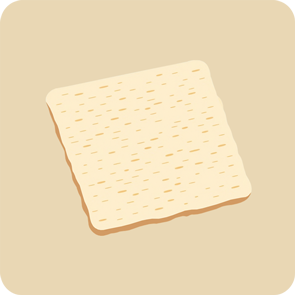
Toast Cracker
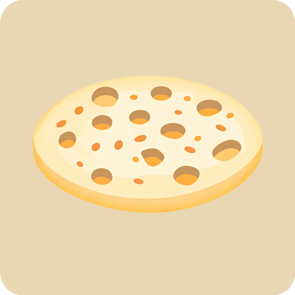
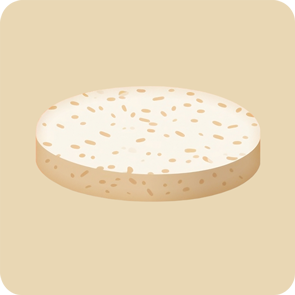
A thin, crisp baked bread or cracker-like snack, cracker toast is often enjoyed plain or with toppings like butter, cheese, or spreads, popular as a light snack or appetizer base.
35
1 cracker
(10 grams)
CAL
D
Nutri-Score
Low in fiber and protein.
Value per 100 grams & per cup (30gr):
350 kcal | 105 kcal
Protein
7 grams | 2 grams
Fats
7 grams | 2.1 grams
Carbohydrates
65 grams | 20 grams
Fiber
4 grams | 1.2 grams
Vitamins & Nutrients
- Iron: Supports oxygen transport in the blood.
- Magnesium: Aids in muscle and nerve function.
- Folate (Vitamin B9): Important for DNA synthesis and cell growth.
- Calcium: Essential for bone health.
Satiety and Feelings
Cracker toast offers quick, light energy but has low fiber and protein, so it may not keep you full for long without added toppings.
What does 100 g look like?
About 10–12 thin pieces or 1 cup crumbled.
What does 2000 | 2500 calories look like?
Approximately 57–71 pieces or 6¼ cups crumbled (570 grams / 1.26 lbs).
Daily Value per 100 grams %
Did you know?
Cracker toast is often made by baking thin slices of bread twice to achieve its dry, crunchy texture.
It was traditionally used as a light accompaniment to soups and salads.
Modern cracker toast can be flavored with herbs, seeds, or spices for variety.
It is sometimes called “melba toast” when referring to very thin, dry slices popular in Europe and the US.
Drawbacks ⚠️
Usually low in fiber and protein, which limits its ability to satisfy hunger on its own.
Can be high in added salt and sometimes contain preservatives.
Often made from refined flour, which lacks the nutrients of whole grains.
Without toppings, it may be too dry or bland for some palates.