Ravioli

Rice Cracker

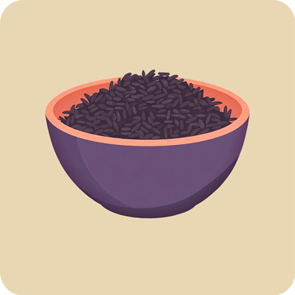
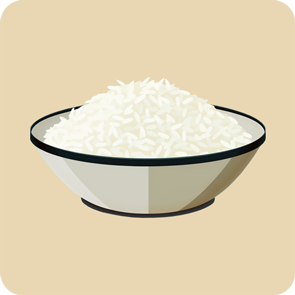
Red Rice
A nutty-flavored, chewy whole grain with a reddish bran layer, red rice retains more nutrients and fiber, making it a healthier choice for many diets.
215
1 cup, cooked
(200 grams)
CAL
A
Nutri-Score
Rich in fiber and antioxidants, offering more nutrients than white rice.
Value per 100 grams & per cup (200gr):
110 kcal | 215 kcal
Protein
2.5 grams | 5 grams
Fats
1 gram | 2 grams
Carbohydrates
23 grams | 45 grams
Fiber
2 grams | 4 grams
Vitamins & Nutrients
- Vitamin B1 (Thiamine): Supports energy metabolism.
- Iron: Important for oxygen transport in blood.
- Folate (Vitamin B9): Helps with DNA synthesis and cell growth.
- Magnesium: Supports muscle and nerve function.
- Antioxidants (Anthocyanins): Help fight inflammation and oxidative stress.
- Zinc: Supports immune health.
Satiety and Feelings
Filling better than white rice but less than quinoa or black rice.
What does 100 g look like?
About ½ cup of cooked red rice.
What does 2000 | 2500 calories look like?
About 5.5–7 cups dry red rice or 1.1–1.3 kilograms / 2.4–2.9 lbs.
Daily Value per 100 grams %
Did you know?
Red rice gets its distinctive color from natural pigments called anthocyanins, which are also antioxidants.
It is often used in traditional dishes in parts of Asia and Africa.
The bran layer gives red rice a nutty flavor and chewy texture.
Red rice was once considered a sacred grain in some cultures.
Its fiber content supports healthy digestion and blood sugar control.
- There are several types of red rice, including Bhutanese red rice, Wehani red rice, Thai red cargo rice, and Camargue red rice from France.
Drawbacks ⚠️
Takes longer to cook than white rice due to the intact bran layer.
Contains more phytic acid, which can reduce mineral absorption if eaten excessively.
Slightly higher in calories and fats than white rice.