Kamut

Millet
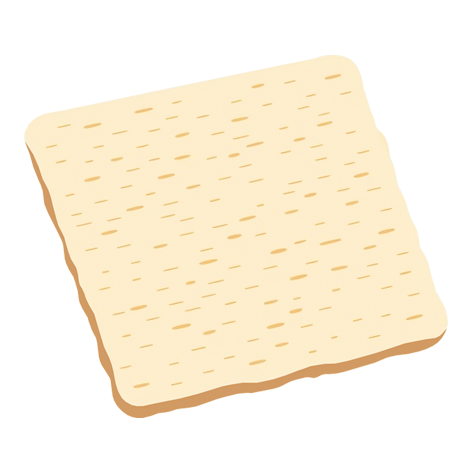
Matzah
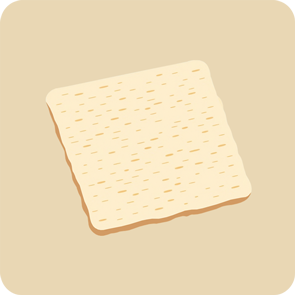
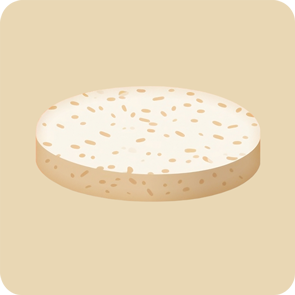
A traditional unleavened flatbread eaten during Passover, matzah is made with just flour and water. It has a dry, cracker-like texture and is symbolic in Jewish culture and cuisine.
105
1 sheet
(10 grams)
CAL
C
Nutri-Score
Low in fat and simple in ingredients, but it’s also low in fiber and nutrients.
Value per 100 grams & per cup (120gr):
370 kcal | 445 kcal
Protein
9 grams | 10.8 grams
Fats
1 gram | 1.2 grams
Carbohydrates
77 grams | 92 grams
Fiber
3 grams | 3.5 grams
Vitamins & Nutrients
- Iron: Supports oxygen transport in the blood.
- Folate (Vitamin B9): Aids in red blood cell formation and cell repair.
- Selenium: Acts as an antioxidant and supports immune function.
- Calcium: Maintains strong bones and teeth.
Satiety and Feelings
Matzah is dense in carbs but low in fiber and fat, which means it can provide quick energy but may not keep you full for long unless paired with protein or fats.
What does 100 g look like?
Roughly 3 whole matzah sheets or about 1 cup crumbled.
What does 2000 | 2500 calories look like?
About 59–73 matzah sheets or 6¾ cups crumbled (590 grams / 1.30 lbs.)
Daily Value per 100 grams %
Did you know?
Matzah is an essential part of Jewish Passover tradition, symbolizing the bread made in haste during the Israelites’ escape from Egypt.
It’s traditionally made in under 18 minutes from the time the water touches the flour to avoid fermentation.
Matzah can be ground into matzah meal or matzah flour for baking during Passover.
Though simple, it is calorically dense, so portions matter when used as a daily bread substitute.
Drawbacks ⚠️
Very low in fiber, which can lead to digestive discomfort when eaten frequently.
Not enriched, so it lacks many of the vitamins and minerals found in other breads.
May become monotonous during Passover when consumed daily.
Can be dry and crumbly, especially without toppings or dips.