Macaroni
French Roll

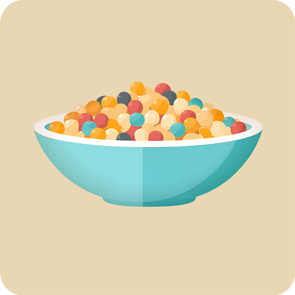
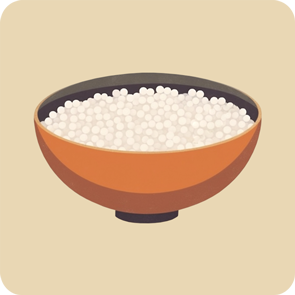
Pearl Couscous
Also known as Israeli couscous, pearl couscous consists of small, round pasta-like granules made from semolina. It has a slightly chewy texture and a mild, nutty flavor, making it versatile for salads, side dishes, and warm meals
190
1 cup, cooked
(140 grams)
CAL
A
Nutri-Score
Contains plant protein and fiber, but lower in vitamins and can be refined depending on the brand.
Value per 100 grams & per cup (120gr):
160 kcal | 190 kcal
Protein
5.5 grams | 6.5 grams
Fats
0.3 grams | 0.35 grams
Carbohydrates
30 grams | 35 grams
Fiber
2 grams | 2.5 grams
Vitamins & Nutrients
- Vitamin B1 (Thiamine): Supports energy metabolism and nervous system health.
- Vitamin B3 (Niacin): Helps convert food into energy.
- Iron: Supports oxygen transport in the blood.
- Calcium: Supports strong bones and teeth.
Satiety and Feelings
Cooked pearl couscous provides moderate energy with a soft, chewy texture. Low fiber and protein mean it may not keep you full for long unless paired with vegetables, legumes, or protein.
What does 100 g look like?
About ½ cup of cooked pearl couscous.
What does 2000 | 2500 calories look like?
About 12–16 cups (100 g each), weighing 2–2.5 kg (4.4–5.5 lbs).
Daily Value per 100 grams %
Did you know?
Pearl couscous was invented in Israel in the 1950s as a larger, toasted alternative to traditional couscous.
Its small, round shape is ideal for salads and absorbing flavors in sauces or broths.
The name “Israeli couscous” distinguishes it from North African couscous, which is much finer.
Commercially, it is produced in bulk for convenience, making it a pantry staple in many kitchens.
Drawbacks ⚠️
Low in fiber and micronutrients unless enriched.
High in carbohydrates, which can spike blood sugar if eaten in large portions.
Soft texture can become mushy if overcooked.