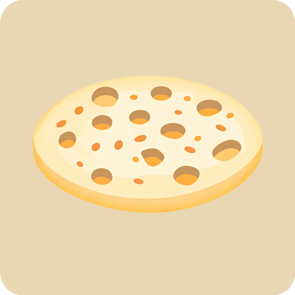
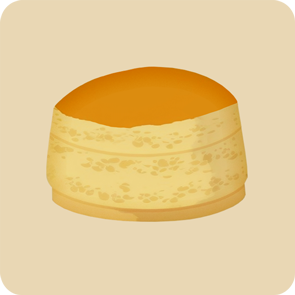
Soda Cracker

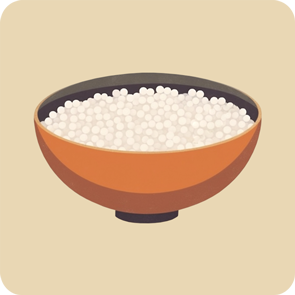
Spaghetti
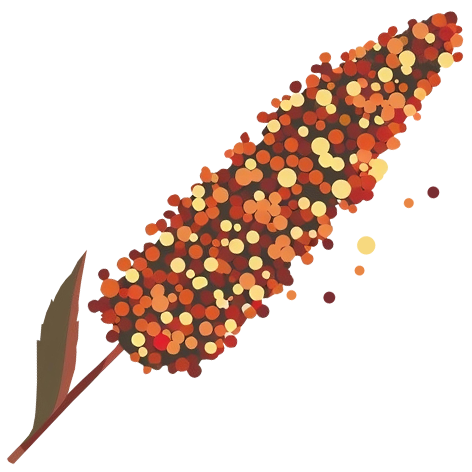
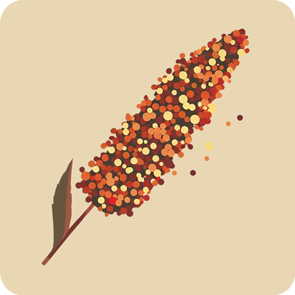
Sorghum
Sorghum is a versatile grain native to Africa, used for food, animal feed, and even biofuel. It has a mild, nutty flavor and can be cooked like rice or ground into flour for baking.
225
1 cup, cooked
(180 grams)
CAL
B
Nutri-Score
Gluten-free whole grain rich in fiber, antioxidants, and complex carbohydrates.
Value per 100 grams & per cup (190gr):
120 kcal | 2225 kcal
Protein
3.5 grams | 6.5 grams
Fats
1 gram | 1.5 grams
Carbohydrates
27 grams | 52 grams
Fiber
3.5 grams | 6.5 grams
Vitamins & Nutrients
- Vitamin B3 (Niacin): Supports metabolism and skin health.
- Vitamin B6 (Pyridoxine): Important for brain function and mood.
- Magnesium: Vital for muscle and nerve health.
- Iron: Supports oxygen transport.
- Antioxidants: Help protect cells from oxidative damage.
Satiety and Feelings
Sorghum offers lasting energy with its high fiber and complex carbs, helping to maintain fullness and steady blood sugar.
What does 100 g look like?
About ½ cup dry sorghum — small, round, tan-colored grains.
What does 2000 | 2500 calories look like?
About 5 ½ cups dry sorghum = 990 grams / 2.18 pounds
Daily Value per 100 grams %
Did you know?
Sorghum is the fifth most important cereal crop worldwide, crucial in Africa and Asia.
It is naturally gluten-free, making it suitable for those with gluten intolerance.
Sorghum can be popped like popcorn and eaten as a snack.
It contains unique antioxidants called tannins, which may have health benefits.
Sorghum stalks are used for fodder, building materials, and even biofuel.
Drawbacks ⚠️
Sorghum contains tannins, which can reduce the absorption of some minerals if consumed in large amounts.
It is high in carbohydrates, which may cause blood sugar spikes if not balanced with protein or fat.
Some varieties of sorghum may have a bitter taste due to tannins.