Couscous

Croissant
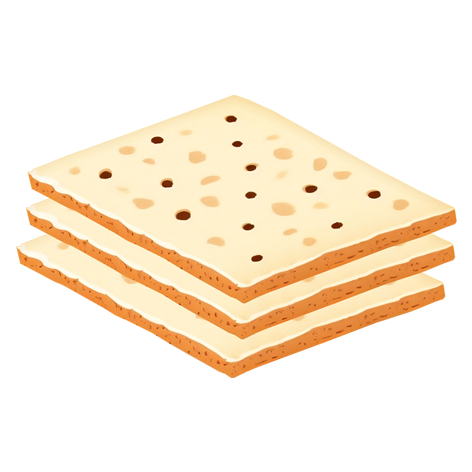
Crispbread
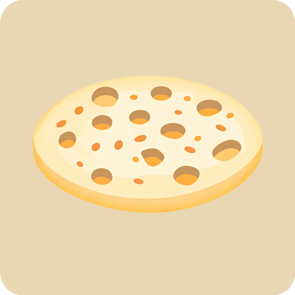
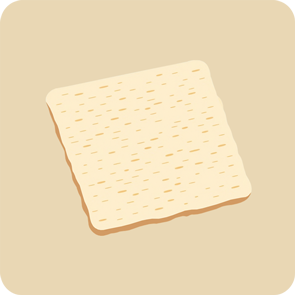
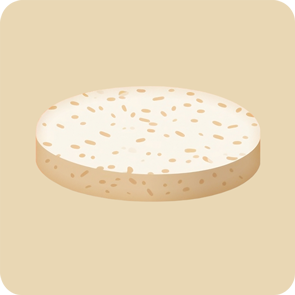
A dry, crunchy flatbread, crispbread is popular in Scandinavian countries and often made from rye or whole grains. It's a nutritious, low-calorie option that pairs well with both sweet and savory toppings.
15
1 medium cracker
(5 grams)
CAL
B
Nutri-Score
Low in calories and often high in fiber.
Value per 100 grams & per cup (30gr):
250 kcal | 75 kcal
Protein
10 grams | 2.5 grams
Fats
1.5 grams | 0.5 grams
Carbohydrates
50 grams | 15 grams
Fiber
7 grams | 2 grams
Vitamins & Nutrients
- Iron: Supports healthy red blood cells and energy levels.
- Magnesium: Helps regulate muscle and nerve function.
- Folate (Vitamin B9): Aids in DNA synthesis and cell repair.
- Phosphorus: Contributes to bone and teeth structure.
- Calcium: Essential for strong bones and heart function.
Satiety and Feelings
Thanks to its high fiber content, crispbread can help you feel full longer, especially when paired with protein-rich toppings like cheese or nut butter.
What does 100 g look like?
Around 10 standard crispbread slices or 1 cup crumbled.
What does 2000 | 2500 calories look like?
About 57–71 crispbread slices or 6¼ cups crumbled (570 grams / 1.26 lbs.)
Daily Value per 100 grams %
Did you know?
Crispbread dates back to the 6th century and was traditionally baked in bulk and stored for months.
Sweden and Finland are known for their crispbread culture, with many families owning wooden crispbread drying racks.
It’s often made with rye flour, which contributes to its nutty flavor and fiber boost.
Many crispbreads are naturally vegan and great for low-calorie snacking.
Drawbacks ⚠️
Plain crispbread can be very dry and bland without toppings.
Some varieties are made with refined grains or contain added salt or sugars.
Low in fat and protein on its own, so toppings are key to making it a balanced snack.