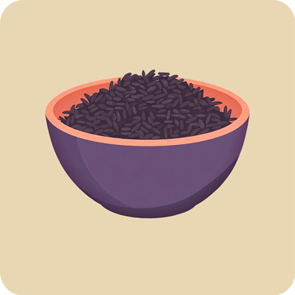
Pumpernickel

Raisin Bread

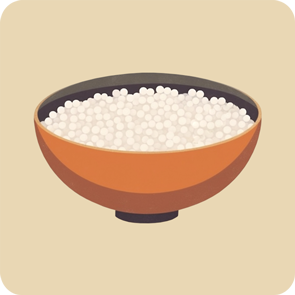
Quinoa
Quinoa is a seed often treated as a grain, known for its nutty flavor and fluffy texture once cooked. It’s naturally gluten-free and popular in many health-conscious diets.
225
1 cup, cooked
(185 grams)
CAL
A
Nutri-Score
Rich in fiber, vitamins, and minerals.
Value per 100 grams & per cup (185gr):
120 kcal | 225 kcal
Protein
4 grams | 7.5 grams
Fats
2 grams | 3.5 grams
Carbohydrates
20 grams | 40 grams
Fiber
3 grams | 5 grams
Vitamins & Nutrients
- Magnesium: Supports muscle and nerve function.
- Iron: Vital for oxygen transport.
- Vitamin B3 (Niacin):Aids energy metabolism.
- Vitamin B6 (Pyridoxine):Supports brain function.
- Folate: Important for cell growth and metabolism.
Satiety and Feelings
Quinoa provides a balance of protein, fiber, and healthy fats that help keep you full and energized for hours.
What does 100 g look like?
About ½ cup dry quinoa — small round grains.
What does 2000 | 2500 calories look like?
About 5 ½ cups dry quinoa = 1.02 kg / 2.25 lbs.
Daily Value per 100 grams %
Did you know?
Quinoa is a pseudo-cereal, meaning it’s not a true grain but used like one.
It contains all nine essential amino acids, making it a rare complete plant protein.
Quinoa has been cultivated for over 5,000 years in the Andes mountains.
It’s naturally gluten-free and a great alternative for those with gluten sensitivities.
Drawbacks ⚠️
Contains saponins on its outer layer, which can taste bitter unless rinsed thoroughly.
Slightly higher in fat than other grains, so portion control is important.
Some people may experience digestive discomfort if not properly soaked or rinsed.