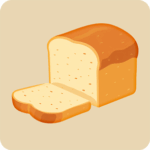
Potato Bread

Bagel

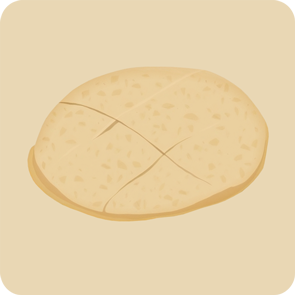
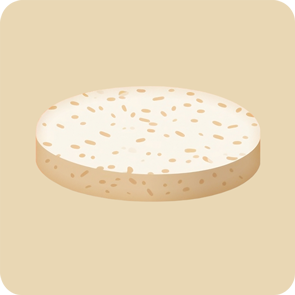
Arepa
A traditional cornmeal cake from Colombia and Venezuela, arepas are crispy outside and soft inside, often sliced open and filled with cheese, eggs, or meats.
130
1 medium bun
(60 grams)
CAL
C
Nutri-Score
Gluten-free and a good energy source, but lacks fiber and key micronutrients unless enriched.
Value per 100 grams & per cup (150gr):
130 kcal | 325 kcal
Protein
4.5 grams | 7 grams
Fats
1.5 grams | 2 grams
Carbohydrates
45 grams | 68 grams
Fiber
3.5 grams | 5.5 grams
Vitamins & Nutrients
- Iron: Important for oxygen transport in the blood.
- Calcium (if enriched): Helps maintain bone strength.
- Folate: Supports cell division and red blood cell formation.
Satiety and Feelings
Arepas are dense and filling, especially when stuffed. Their slow-digesting carbs provide lasting energy, though low fiber may reduce fullness unless paired with high-protein or fibrous fillings.
What does 100 g look like?
About ¾ of a medium arepa or ⅔ cup mashed cooked dough.
What does 2000 | 2500 calories look like?
About 13–16 medium arepas or 10 ½ cups mashed (1.6 kg / 3.5 lbs.)
Daily Value per 100 grams %
Did you know?
Arepas date back to pre-Columbian times, originally made by indigenous tribes in the region now known as Colombia and Venezuela.
Traditionally made from white or yellow cornmeal, they’re now often prepared using precooked corn flour for convenience.
Arepas are naturally gluten-free, making them a popular alternative to wheat-based breads.
In some households, they are eaten daily, much like bread or rice in other cultures.
Drawbacks ⚠️
Low in protein unless filled with eggs, cheese, or meat.
Can be low in fiber, especially when made from refined corn flour.
Not always enriched, so may lack essential micronutrients like iron and folate.
When fried, fat and calorie content increases significantly.