Sourdough Bread

Arepa
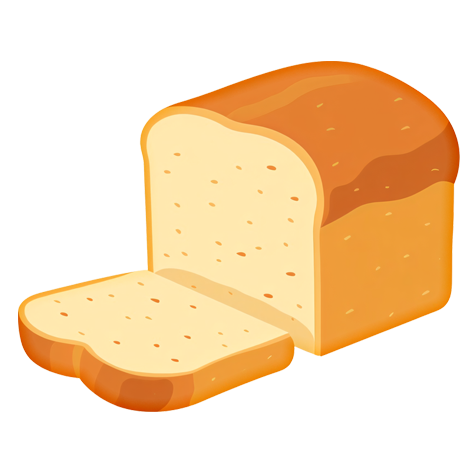
Potato Bread
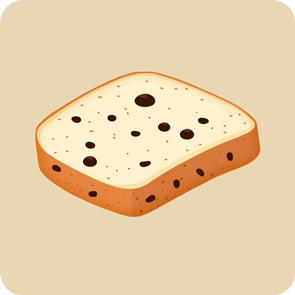
A soft, slightly sweet bread, potato bread swaps some wheat flour for mashed or dehydrated potatoes, giving it a moist texture and a bit more potassium than regular white bread. It's great for sandwiches and toasting.
150
1 medium slice
(60 grams)
CAL
C
Nutri-Score
Contains iron, potassium, and vitamin B6, but may be low in fiber if made with refined flour.
Value per 100 grams & per cup (120gr):
265 kcal | 320 kcal
Protein
7 grams | 8.5 grams
Fats
3 grams | 3.5 grams
Carbohydrates
50 grams | 60 grams
Fiber
2 grams | 2.5 grams
Vitamins & Nutrients
- Iron: Vital for red blood cell formation.
- Potassium: Helps regulate fluid balance and nerves.
- Vitamin B6: Important for brain development and metabolism.
- Phosphorus: Supports bone and cell function.
Satiety and Feelings
Potato bread feels soft and filling, and the added potatoes can give a slightly longer-lasting fullness compared to plain white bread. Still, it's not as satisfying as whole grain varieties.
What does 100 g look like?
About 2 ½ medium slices or 1 ⅔ cups diced.
What does 2000 | 2500 calories look like?
About 24 slices or 16 cups diced (950 grams / 2.1 lbs).
Daily Value per 100 grams %
Did you know?
Potato bread was popularized in the U.S. during the Great Depression, when potatoes were cheaper than flour.
It contains more moisture than regular bread, making it last longer without going stale.
The addition of potatoes increases potassium content, making it slightly more nutritious than white bread.
In Ireland and Scotland, traditional potato bread is often griddled and served with breakfast.
Drawbacks ⚠️
May still be made with refined white flour, offering less fiber.
Some store-bought versions include sugar and preservatives.
Lower in complex nutrients compared to whole grain breads.
Not gluten-free, despite the name — it still contains wheat flour.