Penne

Pretzel

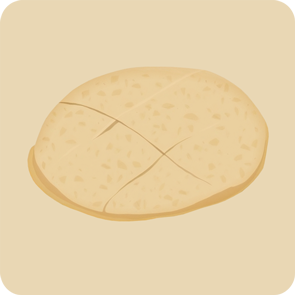
Pita
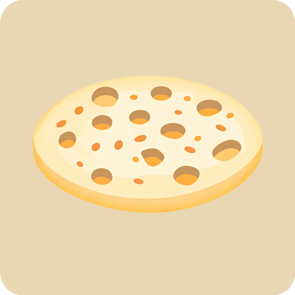
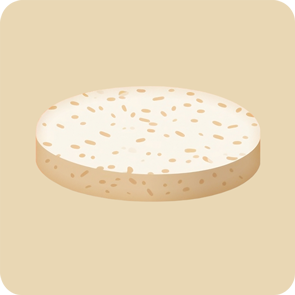
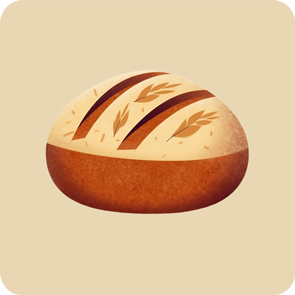
A soft, round flatbread with a hollow pocket, pita is popular in Middle Eastern and Mediterranean cuisines and often used to hold fillings like falafel, meats, or vegetables.
165
1 medium bread
(60 grams)
CAL
C
Nutri-Score *
Moderate protein and fiber.
Value per 100 grams & per cup (120gr):
275 kcal | 330 kcal
Protein
9 grams | 11 grams
Fats
1.5 grams | 2 grams
Carbohydrates
55 grams | 66 grams
Fiber
3 grams | 3.5 grams
Vitamins & Nutrients
- Iron: Supports oxygen transport in the blood.
- Magnesium: Helps maintain muscle and nerve function.
- Folate (Vitamin B9): Crucial for DNA synthesis and cell division.
- Calcium: Important for bone health.
Satiety and Feelings
Pita bread offers a moderate amount of fiber and protein, which can help keep you feeling fuller longer compared to thinner flatbreads.
What does 100 g look like?
About 1 and 2/3 medium pitas or 1 cup torn pieces.
What does 2000 | 2500 calories look like?
Approximately 12–15 medium pitas or 12 cups torn pieces (720 grams / 1.59 lbs).
Whole grain breads
Whole grain breads generally have a higher Nutri-Score (going as high as an A score) due to their higher fiber, vitamin, and mineral content.
Daily Value per 100 grams %
Did you know?
Pita bread has been a staple in Middle Eastern diets for thousands of years, dating back to ancient civilizations.
The characteristic pocket forms due to steam puffing up the dough during baking.
It’s traditionally baked at very high temperatures to create the pocket.
Pita is commonly used as a wrap or sandwich bread in many Mediterranean dishes.
Drawbacks ⚠️
Some commercial pita breads contain added sugars and preservatives.
Lower in fiber than whole grain breads, so it may not provide long-lasting fullness on its own.
Depending on the brand, sodium content can be moderate to high.
Not gluten-free, so not suitable for those with gluten intolerance.