Shredded Wheat

Soba
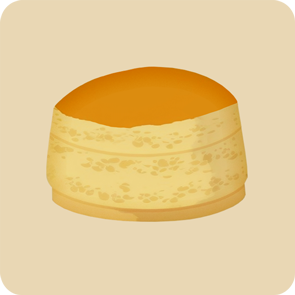
Scone
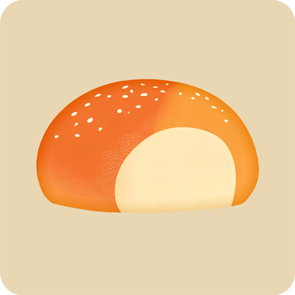
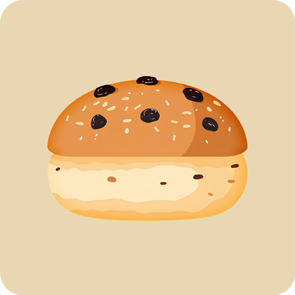
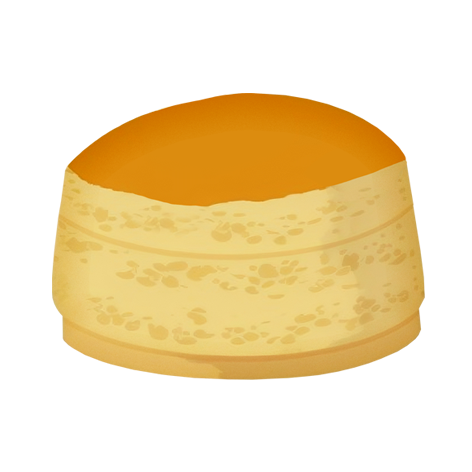
A rich, crumbly baked good, often sweet or slightly savory, scones are a classic with tea in the UK and a popular café treat in the U.S. Often served with butter, jam, or cream, they’re made with butter or cream for tenderness.
280
1 medium scone
(80 grams)
CAL
D
Nutri-Score
Offers some iron and B vitamins, but typically high in saturated fats and added sugars.
Value per 100 grams & per cup (120gr):
350 kcal | 420 kcal
Protein
7 grams | 8.5 grams
Fats
12 grams | 14.5 grams
Carbohydrates
50 grams | 60 grams
Fiber
2 grams | 2.5 grams
Vitamins & Nutrients
- Iron: Essential for oxygen transport in blood.
- Vitamin B2 (Riboflavin): Aids in energy metabolism and cell function.
- Phosphorus: Supports bones and teeth.
- Calcium: Contributes to bone strength.
Satiety and Feelings
Scones are dense and satisfying thanks to their fat and carb content, but can cause an energy crash if overly sugary. Low in fiber, so fullness may not last long.
What does 100 g look like?
Roughly 1 ½ small scones or 1 ¼ cups crumbled.
What does 2000 | 2500 calories look like?
About 11 scones or 10 ½ cups crumbled (670 grams / 1.48 lbs).
Daily Value per 100 grams %
Did you know?
Scones likely originated in Scotland, where they were once griddle-cooked rather than baked.
The word “scone” may derive from the Dutch word “schoonbrot” meaning fine bread.
In the UK, there’s a longstanding debate over whether to spread jam or clotted cream first.
Scones are a key part of cream tea, a beloved British afternoon tradition.
Drawbacks ⚠️
Often high in saturated fat from butter or cream.
Added sugars in sweet scones can be significant.
Typically made with refined flour, lowering the fiber and nutrient content.
May contain preservatives in store-bought versions.