Amaranth
Animal Proteins
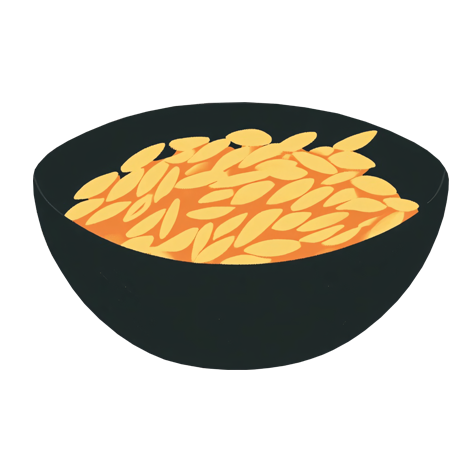
Orzo
A small, rice-shaped pasta, orzo is popular in Mediterranean and Middle Eastern dishes. It cooks quickly and absorbs flavors well, making it ideal for soups, salads, and side dishes.
210
1 cup, cooked
(160 grams )
( 1 cup uncooked = 285 cal – 200 gr)
CAL
B
Nutri-Score
Low in fat and sugar, provides some fiber, protein, and micronutrients.
Value per 100 grams & per cup (160gr):
130 kcal | 210 kcal
Protein
4.5 grams | 7 grams
Fats
0.5 gram | 0.8 grams
Carbohydrates
25 grams | 40 grams
Fiber
1 gram | 1.5 grams
Vitamins & Nutrients
- Iron: Supports oxygen transport and energy metabolism.
- Magnesium: Important for muscle and nerve function.
- Potassium: Promotes fluid balance and proper heart function.
Satiety and Feelings
Orzo is rich in carbohydrates, giving a quick source of energy. Its low fat and fiber content may result in a shorter-lasting feeling of fullness.
What does 100 g look like?
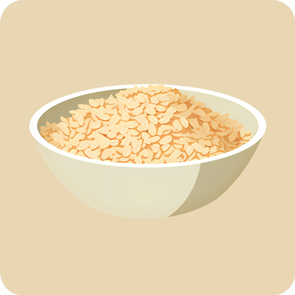
About ½ cup of dry orzo or a small handful of loose pasta.
What does 2000 | 2500 calories look like?
5.6 cups cooked orzo - 784 grams / 1.73 lbs.
Daily Value per 100 grams %
Did you know?
Orzo is shaped like rice but is actually pasta, which can confuse people at first glance.
In some cultures, orzo is served as a breakfast cereal, cooked in milk and sweetened, similar to rice pudding.
Orzo expands significantly when cooked, absorbing about twice its weight in water, which makes it easy to underestimate portions.
Ancient Romans were known to use small pasta shapes like orzo in soups and stews, making it one of the oldest pasta forms.
Orzo can be baked, boiled, or toasted before cooking to add a nutty flavor, a trick often used in Mediterranean pilafs.
Drawbacks ⚠️
Low in fiber unless made from whole grains.
High in carbohydrates, which may not be suitable for low-carb diets.
Lacks significant micronutrients unless fortified.
May cause blood sugar spikes in individuals sensitive to carbohydrates.