Toast Cracker

Crispbread

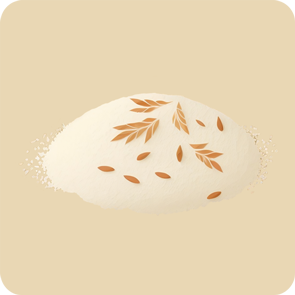
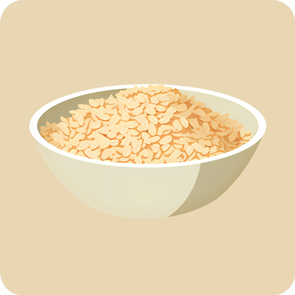
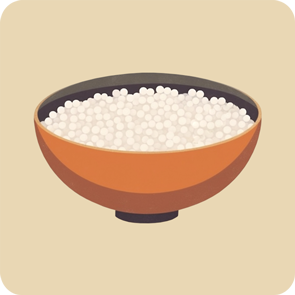
Couscous
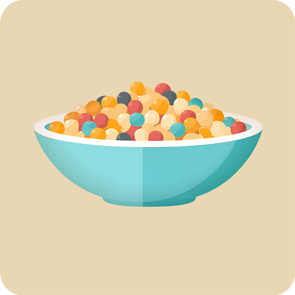
A quick-cooking North African grain, couscous is light and fluffy when cooked, often served as a side dish or base for stews and salads.
175
1 cup, cooked
(160 grams)
CAL
A
Nutri-Score
Contains plant protein and fiber, but lower in vitamins and can be refined depending on the brand.
Value per 100 grams & per cup (175gr):
110 kcal | 175 kcal
Protein
4 grams | 6 grams
Fats
0.2 grams | 0.3 grams
Carbohydrates
23 grams | 36 grams
Fiber
1.5 grams | 2 grams
Vitamins & Nutrients
- Iron: supports oxygen transport and energy production.
- B1 (Thiamine): helps convert food into energy and supports nerve function.
- Selenium: acts as an antioxidant and supports immune function.
- Manganese: aids in bone development and nutrient metabolism.
Satiety and Feelings
Couscous offers quick energy and a moderate feeling of fullness thanks to its carbohydrate and protein content. Once cooked, it expands and becomes light and fluffy.
What does 100 g look like?
About ½ cup uncooked couscous (dry).
What does 2000 | 2500 calories look like?
About 5 ½ to 7 cups uncooked couscous (540–675 grams / 1.19–1.49 lbs).
Daily Value per 100 grams %
Did you know?
Couscous is a staple of North African cuisine, especially in Morocco, Algeria, and Tunisia.
It’s made from semolina wheat and traditionally steamed, though most packaged couscous is instant.
Couscous can be cooked in under 5 minutes, making it a convenient pantry grain.
Drawbacks ⚠️
Made from refined wheat, so it contains gluten and may lack the fiber and micronutrients of whole grains.
Lower in fiber than many other grains, which may reduce its long-term satiety.
Some instant versions may contain preservatives or added salt.