Mantou Bun
Matzah

Kamut
Kamut is an ancient wheat variety with a rich, nutty flavor and chewy texture. It’s a nutritious whole grain often used in salads, pilafs, and baking.
290
1 cup, cooked
(195 grams)
CAL
B
Nutri-Score
high in protein, fiber, and rich in vitamins and minerals.
Value per 100 grams & per cup (195gr):
150 kcal | 290 kcal
Protein
5 grams | 9.5 grams
Fats
1 gram | 2 grams
Carbohydrates
30 grams | 60 grams
Fiber
5 grams | 8 grams
Vitamins & Nutrients
- Magnesium: Supports muscle and nerve function.
- Zinc: Important for immune health and wound healing.
- Vitamin B3 (Niacin):Helps energy metabolism and skin health.
- Vitamin B6 (Pyridoxine):Supports brain function and mood regulation.
- Selenium: Antioxidant that protects cells from damage.
Satiety and Feelings
Kamut’s moderate protein and fiber content provide long-lasting fullness and sustained energy, making it great for meals that keep you fueled.
What does 100 g look like?
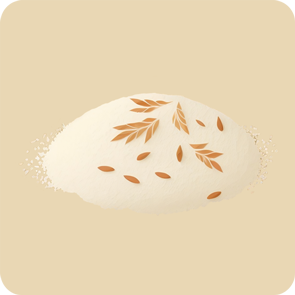
About ⅔ cup dry Kamut grains — large, smooth kernels.
What does 2000 | 2500 calories look like?
About 3 cups dry Kamut = 540 grams / 1.19 pounds
Daily Value per 100 grams %
Did you know?
Kamut is an ancient wheat variety thought to be thousands of years old, sometimes called “Egyptian wheat.”
It’s prized for its nutty flavor and higher protein content than modern wheat.
Kamut is often better tolerated by some people sensitive to wheat, but it still contains gluten.
It is rich in selenium, which helps protect cells from oxidative damage.
Drawbacks ⚠️
Contains gluten, so it’s not suitable for celiac disease or gluten intolerance.
It is a carbohydrate-rich grain, so mindful portioning is important for blood sugar management.
More expensive and less widely available than common wheat varieties.