Challah
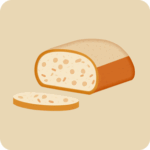
Ciabatta

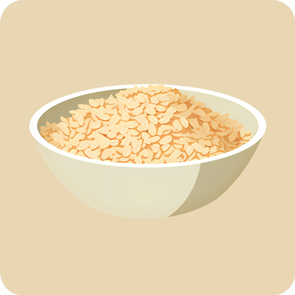
Cereal
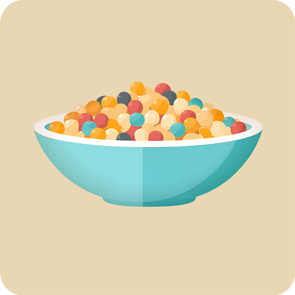
Crunchy, often sweetened and flavored, breakfast cereal is a convenient, ready-to-eat food made from processed grains. Popular with milk or yogurt.
160
1 cup
(40 grams)
CAL
D
Nutri-Score
Provides added vitamins and iron through fortification, but are typically high in sugars and low in fiber.
Value per 100 grams & per cup (40gr):
400 kcal | 160 kcal
Protein
7 grams | 3 grams
Fats
2 grams | 1 gram
Carbohydrates
87 grams | 35 grams
Fiber
3 grams | 1.2 grams
Vitamins & Nutrients
- Iron: Important for oxygen transport and energy.
- Vitamin B1 (Thiamine): Helps release energy from food.
- Vitamin B2 (Riboflavin): Supports metabolism and skin health.
- Vitamin B12: Important for nerves and red blood cell formation.
Satiety and Feelings
Sweetened cereal offers quick energy but often lacks the fiber and healthy fats needed to keep you full. It may lead to a blood sugar spike and crash.
What does 100 g look like?
About 2 ½ cups of cereal.
What does 2000 | 2500 calories look like?
Roughly 5 – 6 cups, or 500–625 grams / 1.1 – 1.38 lbs
Daily Value per 100 grams %
Did you know?
Breakfast cereal was invented in the late 1800s by health reformers like John Harvey Kellogg.
Many cereals are fortified with essential B vitamins and minerals.
Some cereals contain more sugar than candy bars—check labels!
Cold cereals remain one of the most marketed foods to children.
Drawbacks ⚠️
Often high in added sugars, which can contribute to weight gain and tooth decay.
Usually made from refined grains, stripping away natural fiber and nutrients.
Low protein means it may not provide lasting energy or satiety.
Can lead to blood sugar spikes, especially when eaten without protein or fat.