Oatmeal

Panini
Oats
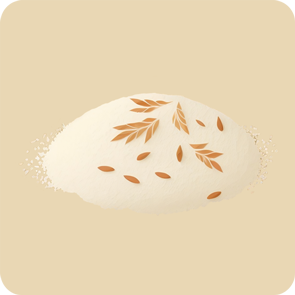
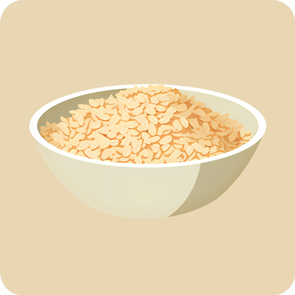
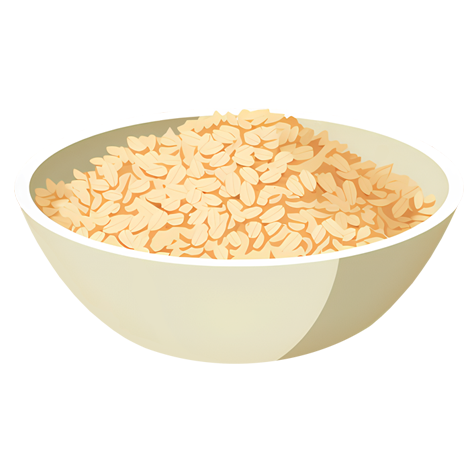
One of the most nutrient-dense grains, naturally gluten-free and minimally processed, rolled oats are steamed and flattened to speed up cooking. They’re a breakfast staple and a key ingredient in granola, baking, and smoothies.
330
1 cup, rolled
(85 grams)
CAL
A
Nutri-Score
Rich in fiber, especially beta-glucan, and offer plant-based protein, iron, magnesium, and B-vitamins.
Value per 100 grams & per cup (85gr):
390 kcal | 330 kcal
Protein
13 grams | 10 grams
Fats
7 grams | 5.6 grams
Carbohydrates
68 grams | 54 grams
Fiber
10 grams | 8 grams
Vitamins & Nutrients
- Iron: Important for oxygen transport.
- Magnesium: Helps regulate muscle and nerve function.
- Vitamin B1 (Thiamine): Supports energy metabolism.
- Folate: Essential for DNA production and repair.
- Antioxidants (Avenanthramides): Unique to oats, reduce inflammation.
Satiety and Feelings
Oats are high in soluble fiber, especially beta-glucan, which slows digestion and promotes a lasting feeling of fullness. They also help stabilize blood sugar.
What does 100 g look like?
About 1 ¼ cups of rolled oats (loose).
What does 2000 | 2500 calories look like?
Roughly 5 ⅓ – 6 ⅔ cups, or 535 – 667 grams / 1.18 – 1.47 lbs
Daily Value per 100 grams %
Did you know?
Oats contain a special type of fiber called beta-glucan, which can help lower cholesterol.
They were originally used as livestock feed before becoming a human staple.
The name “oatmeal” can refer to both the whole grain and the porridge made from it.
Oats are often certified gluten-free, though naturally gluten-free, because of cross-contamination risks.
Drawbacks ⚠️
Naturally low in calcium and vitamin D, so pair with fortified milk or fruit.
May cause bloating or gas in sensitive individuals due to high fiber.
Not suitable raw in large amounts—best when soaked or cooked.
Some flavored oatmeal packets contain added sugars and sodium.