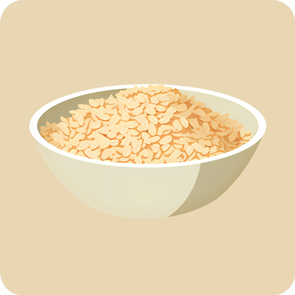
Panko

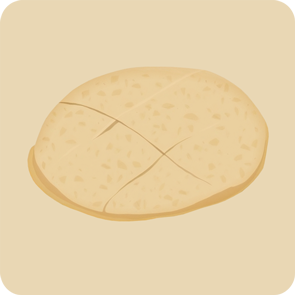
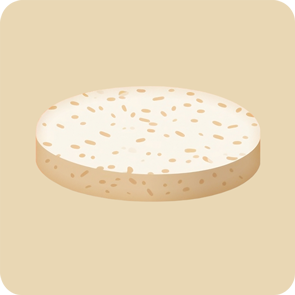
Pita

Penne
Penne is a type of tube-shaped pasta, popular in Italian cuisine, often used in baked dishes and with various sauces.
155
1 cup, cooked
(120 grams)
CAL
B
Nutri-Score
Good source of complex carbohydrates with moderate protein and low fat content.
Value per 100 grams & per cup (140gr):
155 kcal | 220 kcal
Protein
6 grams | 8 grams
Fats
1 gram | 1.5 grams
Carbohydrates
30 grams | 45 grams
Fiber
2 grams | 2.5 grams
Vitamins & Nutrients
- Vitamin B1 (Thiamine): Supports energy metabolism.
- Vitamin B3 (Niacin): Helps maintain healthy skin and nerves.
- Folate: Important for DNA synthesis.
- Iron: Essential for oxygen transport in blood.
Satiety and Feelings
Penne provides long-lasting energy thanks to its complex carbs and moderate protein, but low fiber means it may not fully satisfy hunger for extended periods.
What does 100 g look like?
About ¾ cup of uncooked penne pasta.
What does 2000 | 2500 calories look like?
About 5 ½ cups (660 grams / 1.45 lbs) | 7 cups (840 grams / 1.85 lbs).
Whole Grains
Whole grain pasta generally has a higher Nutri-Score (going as high as an A score) due to their higher fiber, vitamin, and mineral content.
Daily Value per 100 grams %
Did you know?
Penne means “quills” or “pens” in Italian, named for its tube-like shape with diagonal ends.
It’s one of the most popular pasta shapes worldwide due to its versatility.
The hollow shape helps sauces cling inside, making every bite flavorful.
Penne is traditionally made from durum wheat semolina, which gives it a firm texture when cooked.
Drawbacks ⚠️
Low in fiber compared to whole grain pastas.
Contains gluten, not suitable for gluten-free diets.
Moderate carbohydrate content may not suit low-carb diets.
Often paired with high-fat sauces, increasing calorie intake.