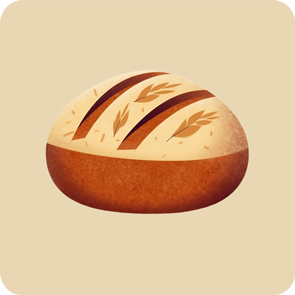
Raisin Bread

Ramen

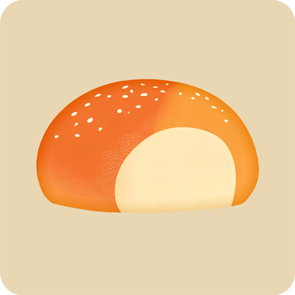
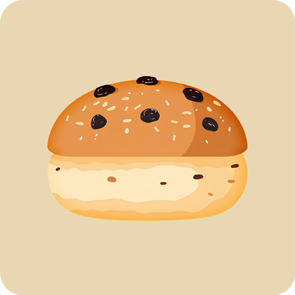
Raisin Bun
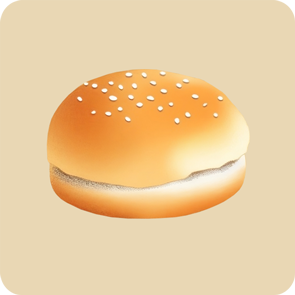
Soft, mildly sweet, and dotted with chewy raisins, the raisin bun is a comforting bakery classic enjoyed across cultures for breakfast or a quick snack.
195
1 medium bun
(70 grams)
CAL
D
Nutri-Score
Offer some fiber and iron from raisins but are also high in sugars and made with refined flour.
Value per 100 grams & per cup (70gr):
280 kcal | 335 kcal
Protein
7 grams | 8.5 grams
Fats
3 grams | 3.5 grams
Carbohydrates
55 grams | 65 grams
Fiber
2 grams | 2.5 grams
Vitamins & Nutrients
- Iron: Helps transport oxygen in the blood.
- Calcium: Essential for bones and teeth.
- Vitamin B9 (Folate): Supports cell repair and growth.
- Potassium: Helps balance fluids and supports nerves and muscles.
Satiety and Feelings
Raisin buns are light and slightly sweet, with raisins adding natural sugar and some fiber. They can provide quick energy, but may not keep you full for long due to low protein and fat.
What does 100 g look like?
About 2 medium raisin buns or 1 heaping cup shredded.
What does 2000 | 2500 calories look like?
About 13–16 buns or 7 cups shredded (850 grams / 1.87 lbs.)
Daily Value per 100 milliliter %
Did you know?
Raisin buns originated in Europe, where dried fruits were added to breads to celebrate holidays.
Raisins are dried grapes and naturally high in sugar and antioxidants.
These buns are often enjoyed with butter or jam, especially in Dutch and British traditions.
Raisin buns may also contain spices like cinnamon, depending on the recipe.
Drawbacks ⚠️
Often made with refined flour, providing fewer nutrients than whole grains.
Contain added sugars on top of the natural sugar from raisins.
Low in protein and fat, so not ideal for long-lasting energy.
Some commercial versions may include preservatives or artificial flavorings.