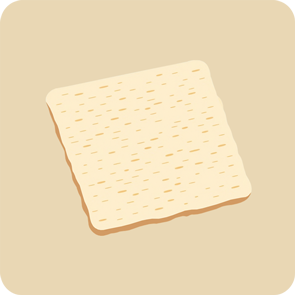
Matzah

Naan

Millet
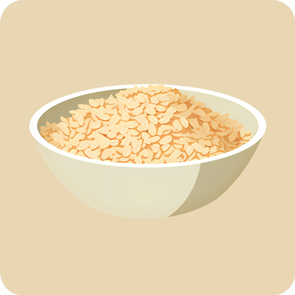
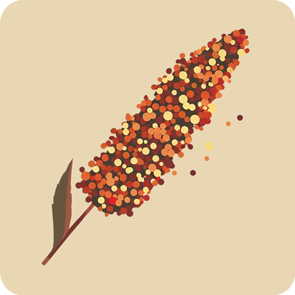
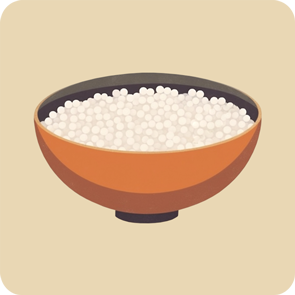
Millet is a small, round grain often used in porridges, salads, and baking. It has a mild, slightly nutty flavor and a fluffy texture when cooked.
215
1 cup, cooked
(180 grams)
CAL
B
Nutri-Score
Rich in carbohydrates, fiber, and essential minerals.
Value per 100 grams & per cup (180gr):
120 kcal | 215 kcal
Protein
3.5 grams | 6.5 grams
Fats
1 gram | 1.8 grams
Carbohydrates
23 grams | 41.5 grams
Fiber
1.5 grams | 2.5 grams
Vitamins & Nutrients
- Vitamin B3 (Niacin): Supports metabolism and skin health.
- Vitamin B6 (Pyridoxine): Aids brain function and mood regulation.
- Magnesium: Important for muscle and nerve function.
- Iron: Supports oxygen transport in blood.
Satiety and Feelings
Millet provides long-lasting energy with its high fiber and carbohydrate content, helping keep you full and supporting digestive health.
What does 100 g look like?
About ½ cup dry millet — small, round, pale yellow grains.
What does 2000 | 2500 calories look like?
About 5 ½ cups dry millet = 990 grams / 2.18 pounds
Daily Value per 100 grams %
Did you know?
Millet is one of the oldest cultivated grains, dating back thousands of years.
It is naturally gluten-free, making it ideal for people with gluten intolerance.
Millet contains antioxidants and is rich in magnesium, which supports heart health.
It cooks quickly and can be used in both sweet and savory dishes.
Drawbacks ⚠️
Millet contains antinutrients like phytates that can reduce mineral absorption if eaten in large quantities.
It is high in carbohydrates, which may cause blood sugar spikes if not balanced with other foods.
Some varieties may require soaking or rinsing to reduce bitterness and improve digestibility.