Panini

Penne

Panko
Panko crumbs add a crunchy texture to fried foods without absorbing too much oil, making them a popular choice for coating chicken, seafood, and vegetables.
25
1 tbsp
(60 grams)
CAL
C
Nutri-Score
Provides moderate energy with some B vitamins and iron, but low in fiber and protein.
Value per 100 grams & per cup (120gr):
370 kcal | 445 kcal
Protein
10 grams | 12 grams
Fats
3 grams | 4 grams
Carbohydrates
75 grams | 90 grams
Fiber
3 grams | 3.5 grams
Vitamins & Nutrients
- Iron: Important for oxygen transport in blood.
- Calcium: Supports bone health.
- B Vitamins: Support energy metabolism.
Satiety and Feelings
Panko crumbs provide a light crunch with moderate carbohydrates, but low protein and fiber, so they won’t keep you full for long.
What does 100 g look like?
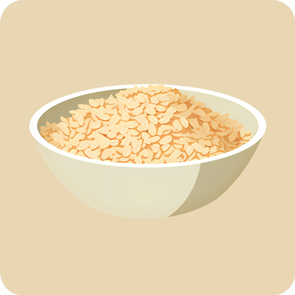
About ¾ cup of loose, coarse, flaky panko crumbs.
What does 2000 | 2500 calories look like?
About 5 ½ cups loose panko crumbs = 660 grams / 1.45 lbs.
Daily Value per 100 grams %
Did you know?
Panko originated in Japan and is made from bread without crusts, giving it its distinctive light and airy texture.
Its crispiness comes from the unique baking process, where the bread is baked by electrical current, creating large flakes rather than fine crumbs.
Panko absorbs less oil than traditional breadcrumbs, making fried foods less greasy.
It’s often used in dishes like tempura and tonkatsu.
Drawbacks ⚠️
Low in protein and fiber, offering limited nutritional benefits.
Typically made from refined wheat flour, which lacks some nutrients found in whole grains.
Often contains added salt and preservatives in commercial varieties.