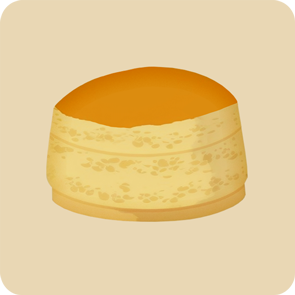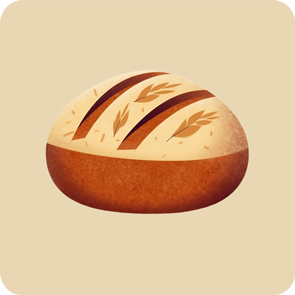
Corn Bread

Toast Cracker

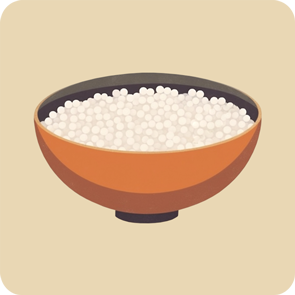
Cornmeal
Cornmeal is ground dried corn used in baking, cooking, and making dishes like cornbread, polenta, and tortillas. It has a slightly sweet, earthy flavor and a coarse texture.
30
1 tbsp
(60 grams)
CAL
B
Nutri-Score
A gluten-free whole grain flour rich in carbohydrates and fiber.
Value per 100 grams & per cup (120gr):
370 kcal | 450 kcal
Protein
8 grams | 10 grams
Fats
4 grams | 5 grams
Carbohydrates
75 grams | 95 grams
Fiber
7.5 grams | 9 grams
Vitamins & Nutrients
- Vitamin B3 (Niacin): Supports energy metabolism and skin health.
- Vitamin B6 (Pyridoxine): Aids brain function and mood regulation.
- Magnesium: Important for muscle and nerve function.
- Iron: Vital for oxygen transport.
Satiety and Feelings
Cornmeal provides lasting energy from its high carbohydrate content, and its fiber helps promote fullness and digestive health.
What does 100 g look like?
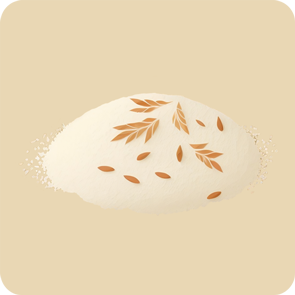
About ½ cup dry cornmeal — coarse, yellow grains.
What does 2000 | 2500 calories look like?
About 3 ½ cups dry cornmeal = 420 grams / 0.93 pounds
Daily Value per 100 grams %
Did you know?
Cornmeal has been a staple food in many cultures for centuries, especially in Native American and Southern U.S. cuisines.
It is naturally gluten-free, making it a popular choice for those with gluten sensitivities.
Cornmeal can vary in grind size from fine to coarse, affecting texture and cooking use.
It is rich in niacin (Vitamin B3), which plays a role in energy metabolism.
Drawbacks ⚠️
Low in fiber, which is important for digestive health and feeling full.
Made from refined flour, which removes many natural nutrients.
Can cause rapid blood sugar spikes, especially when eaten alone.
Lacks the beneficial plant compounds found in whole grains.