Rice Cracker

Shredded Wheat

Risotto
Risotto rice, especially Arborio, is prized for its ability to absorb liquids and release starch, making dishes creamy without added fat.
260
1 cup, cooked
(200 grams)
CAL
C
Nutri-Score
Rich in carbohydrates and energy, but low in fiber and other micronutrients.
Value per 100 grams & per cup (200gr):
130 kcal | 260 kcal
Protein
3 grams | 6 grams
Fats
3 gram | 6 grams
Carbohydrates
25 grams | 45 grams
Fiber
1 gram | 2 grams
Vitamins & Nutrients
- Vitamin B3 (Niacin): Supports metabolism and skin health.
- Vitamin B6 (Pyridoxine): Aids brain function and mood regulation.
- Magnesium: Important for muscle and nerve function.
- Iron: Supports oxygen transport in blood.
Satiety and Feelings
Risotto rice provides quick energy with its high carbohydrate content but low fiber means it may not keep you full for long.
What does 100 g look like?
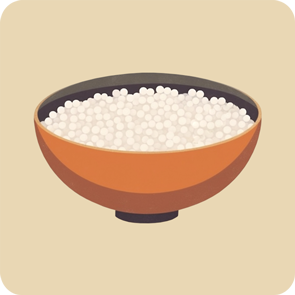
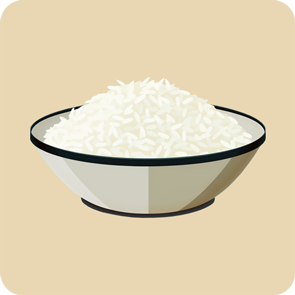
About ½ cup dry risotto rice — short, plump, pearly grains.
What does 2000 | 2500 calories look like?
About 5 ½ cups dry risotto rice = 1.1 kg / 2.43 lbs
Daily Value per 100 grams %
Did you know?
Risotto originated in northern Italy and is a staple of Italian cuisine.
Arborio rice is named after the town of Arborio in the Po Valley.
Its high starch content gives risotto its signature creamy texture without needing cream.
Traditionally, risotto is stirred continuously during cooking to release starch.
Arborio rice can absorb up to three times its volume in liquid.
Drawbacks ⚠️
Risotto rice is high in carbohydrates with low fiber, which can cause blood sugar spikes.
It has a low protein content compared to other grains.
Being a refined grain, it lacks some of the nutrients found in whole grains.