Surf Clam

Semi-Skimmed Cow Milk
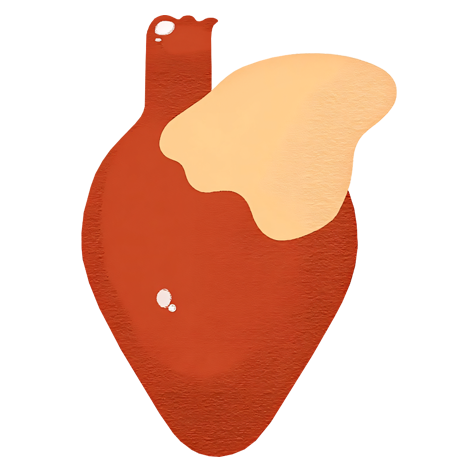
Chicken Heart
Chicken hearts are small, muscular organs with a rich flavor. They are commonly grilled, sautéed, or used in stews and skewers.
10
1 heart
(10 grams)
CAL
B
Nutri-Score
Contains high-quality protein, iron, and B-vitamins, making it a nutrient-dense organ meat.
Value per 100 grams & per cup (150g):
185 kcal | 280 kcal
Protein
26 grams | 39 grams
Fats
8 grams | 12 grams
Carbohydrates
None
Fiber
None
Vitamins & Nutrients
- Vitamin B12: Supports red blood cell production and nerve health.
- Iron: Promotes oxygen transport in the blood.
- Phosphorus: Supports bone and teeth health.
- Zinc: Supports immune function and metabolism.
Satiety and Feelings
Chicken hearts are high in protein and moderate in fat, making them very filling and sustaining.
What does 100 g look like?
About 6–8 small chicken hearts, roughly the size of a large walnut.
What does 2000|2500 calories look like?
About 60 chicken hearts.
Daily Value per 100 grams %
Did you know?
Chicken hearts are commonly eaten worldwide, especially in Asia, South America, and Africa.
They are considered a cheap, nutrient-dense source of protein and iron.
Often cooked on skewers or grilled, they remain tender and flavorful.
They are cultivated commercially as part of whole chicken production, providing sustainable use of the whole animal.
Drawbacks ⚠️
High in cholesterol, which may impact heart health if overconsumed.
Rich, gamey flavor may not appeal to everyone.
As organ meat, it should be cooked properly to avoid bacterial contamination.