Smoked Sausage

Spam

Snail
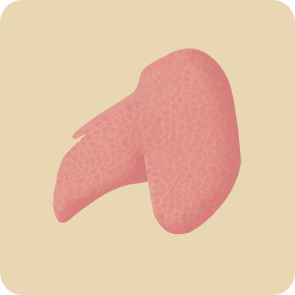
Snails are edible mollusks, commonly served cooked in dishes such as escargot. They have a tender texture and mild flavor, often enhanced with garlic and herbs.
5
1 snail, cooked
(5 grams)
CAL
A
Nutri-Score
Low in calories and fat, snails are a good source of protein, iron, and essential minerals.
Value per 100 grams & per cup (140g):
90 kcal | 125 kcal
Protein
16 grams | 22.5 grams
Fats
1 gram | 1.5 grams
Carbohydrates
2 grams | 3 grams
Fiber
None
Vitamins & Nutrients
- Iron: Supports oxygen transport and energy.
- Magnesium: Important for muscle and nerve function.
- Vitamin B12: Supports nerve function and red blood cell production.
- Calcium: Essential for bones and teeth.
Satiety and Feelings
Snails provide a high-protein, low-fat bite that is filling and nutrient-dense, ideal for a light meal or appetizer.
What does 100 g look like?
About a small bowl or roughly 10–12 medium-sized cooked snails.
What does 2000|2500 calories look like?
About 22–28 servings or 2.2–2.8 kilograms (4.8–6.2 pounds).
Daily Value per 100 grams %
Vitamin B12
20%
Iron
25%
Magnesium
60%
Calcium
15%
Fiber
0%
Protein
30%
Sodium (Salt)
5%
Carbohydrates
1%
Total Fat
2%
Saturated Fat
2%
Cholesterol
15%
Sugar
0%
Calories
5%
Did you know?
- Snails have been eaten since ancient times, including by the Romans.
- The word “escargot” is French for snail, and the dish is a delicacy in French cuisine.
- Snails are a good source of protein and iron, especially important in vegetarian and low-meat diets.
- Some snails produce mucus that is used in cosmetics for skin repair.
- Snails can vary widely in size and species, affecting taste and texture.
Drawbacks ⚠️
Can be high in cholesterol depending on preparation.
Must be properly cooked to avoid parasitic infections.
Some people may be allergic to shellfish and mollusks, including snails.
- Usually served with oil, butter, or rich sauces, which can increase calorie and fat intake.