Lamb Chop

Beef liver
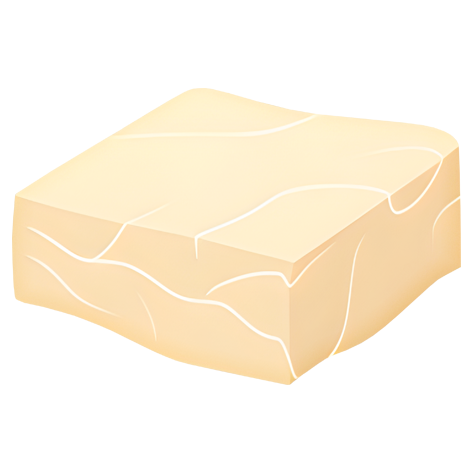
Lard
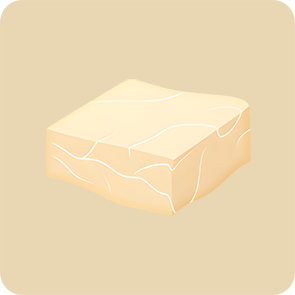
Lard is a semi-solid white fat product obtained by rendering the fatty tissue of a pig. It's traditionally used in cooking and baking for its ability to produce flaky pastries and for frying due to its high smoke point.
115
1 tbsp
(15 grams)
CAL
E
Nutri-Score
High in fat, particularly saturated fat, with no protein or carbohydrates.
Value per 100 grams & per cup (200g):
920 kcal | 1850 kcal
Protein
None
Fats
100 grams | 205 grams
Carbohydrates
None
Fiber
None
Vitamins & Nutrients
- Vitamin E: Acts as an antioxidant, protecting cells from damage.
Satiety and Feelings
Lard is energy-dense, providing a high number of calories in a small volume. It contributes to a feeling of fullness due to its fat content but lacks protein and fiber.
What does 100 g look like?
Approximately 7 tablespoons or 1/2 cup of lard.
What does 2000|2500 calories look like?
About 222 to 278 grams (0.49 to 0.61 lbs) or 1 to 1.3 cups of lard.
Daily Value per 100 grams %
Did you know?
Lard has been used for centuries in cooking and baking, prized for its ability to create flaky pastries.
It has a high smoke point, making it suitable for frying.
Properly rendered lard is nearly odorless and tasteless, making it versatile in various recipes.
Lard is distinct from tallow, which is rendered beef or mutton fat.
In the early 20th century, lard was as popular as butter in many Western cuisines.
Drawbacks ⚠️
High in saturated fat, which can impact heart health if consumed in excess.
Contains cholesterol, contributing to dietary cholesterol intake.
Lacks essential nutrients like protein, fiber, and carbohydrates.