Lunch Meat
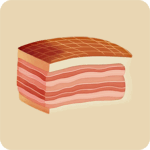
Pork Belly
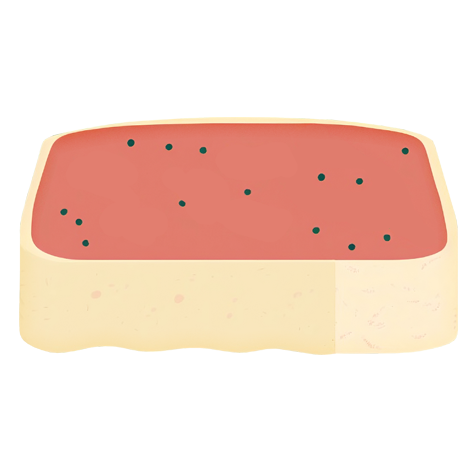
Liver Pâté
A smooth, creamy spread made primarily from liver, liver pâté is nutrient-dense and flavorful, often enjoyed on bread or crackers.
45
1 tbsp
(15 grams)
CAL
E
Nutri-Score
Rich in protein, vitamin A, and iron; high in fat and calories.
Value per 100 grams & per cup (150g):
320 kcal | 480 kcal
Protein
17 grams | 25 grams
Fats
27 grams | 40 grams
Carbohydrates
3 grams | 4.5 grams
Fiber
None
Vitamins & Nutrients
- Vitamin A: Supports vision, immune function, and skin health.
- Iron: Crucial for oxygen transport and energy metabolism.
- Vitamin B12: Essential for nerve function and red blood cell formation.
- Zinc: Supports immune system and wound healing.
- Folate (Vitamin B9): Important for DNA synthesis and cell growth.
Satiety and Feelings
Liver pâté is rich and filling, providing a dense source of protein and fat that can satisfy hunger quickly in small portions.
What does 100 g look like?
About 7 tablespoons, just under half a cup, enough to generously spread on 4–5 slices of bread.
What does 2000|2500 calories look like?
About 480 g / 1.1 lbs or 6 cups of raw bacon (36–40 slices).
Other types of Pâté (100 grams | 3.5 ounces)
| Type of Pâté | Calories | Notes |
|---|---|---|
| Duck Liver Pâté | ~320 kcal | Rich and creamy; high in Vitamin A, iron, and protein. Popular in French cuisine. |
| Chicken Liver Pâté | ~270 kcal | Milder flavor; excellent source of vitamin B12 and folate. Often used as a spread. |
| Pork Liver Pâté | ~320 kcal | Rich and savory; high in iron and zinc. Common in traditional recipes. |
| Veal Liver Pâté | ~300 kcal | Delicate texture; contains vitamin A and essential minerals. Used in gourmet dishes. |
| Mixed Liver Pâté | ~320 kcal | Blend of different livers; combines flavors and nutrients, rich in protein and B vitamins. |
Daily Value per 100 grams %
Did you know?
- Liver pâté is often made from duck, chicken, or pork liver, with duck and goose considered delicacies.
- It is an excellent source of vitamin A, which supports eye health and immune defense.
- Pâté has been enjoyed since ancient Roman times as a delicacy and staple.
- Due to its richness, pâté is traditionally served in small portions alongside breads or crackers.
Drawbacks ⚠️
High in cholesterol and saturated fat, which should be eaten in moderation, especially by those with heart concerns.
Contains high levels of vitamin A, which in excessive amounts can be toxic.
Often contains added salt and preservatives, increasing sodium content.