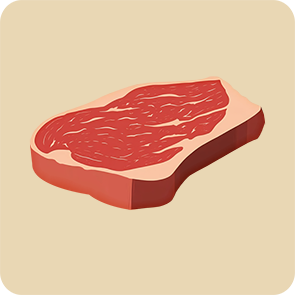
Rib Steak

Turkey

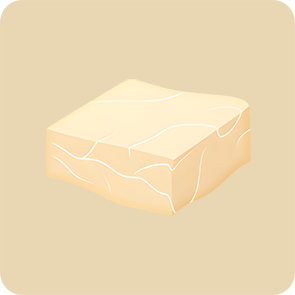
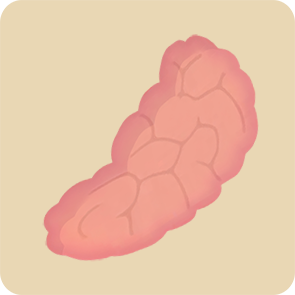
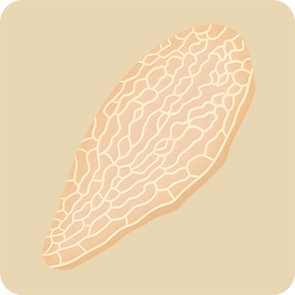
Beef Tripe
A chewy, mild-flavored organ meat made from the stomach lining of cows, tripe is popular in traditional dishes worldwide.
130
medium piece
(150 grams)
CAL
A
Nutri-Score
Low in fat, high in protein and rich in key minerals like zinc and selenium.
Value per 100 grams & per cup (150g):
85 kcal | 130 kcal
Protein
12 grams | 18 grams
Fats
4 grams | 6 grams
Carbohydrates
None
Fiber
None
Vitamins & Nutrients
- Vitamin B12: Crucial for nervous system health and energy metabolism.
- Zinc: Supports immune function and wound healing.
- Selenium: Powerful antioxidant that supports thyroid health.
- Iron: Helps produce red blood cells and prevent fatigue.
Satiety and Feelings
Tripe is high in protein and low in calories, making it a filling option for those looking to feel full without consuming excess fat. The texture is chewy, often enjoyed in stews or broths where it absorbs flavor well.
What does 100 g look like?
Roughly ½ cup chopped cooked tripe, or about 6–8 bite-sized pieces.
What does 2000|2500 calories look like?
About 16 cups or 20 medium portions (3.2 kilograms | 7 pounds).
Daily Value per 100 grams %
Did you know?
- Tripe has been a culinary staple for centuries, especially in Europe, Asia, and Latin America.
- Popular dishes include menudo (Mexico), lampredotto (Italy), and pho (Vietnam).
- Tripe is considered a nose-to-tail cut, reducing food waste by using the whole animal.
- It’s an excellent source of collagen, which supports joint and skin health.
- Despite its reputation, tripe is surprisingly low in fat and calories.
Drawbacks ⚠️
Smell and texture may be off-putting to some.
Requires thorough cleaning and long cooking times to become tender.
As an organ meat, it can be high in cholesterol and may not suit all diets.