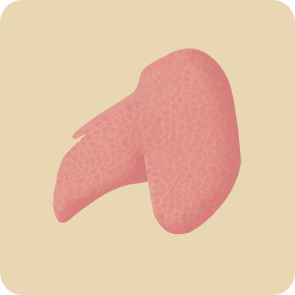
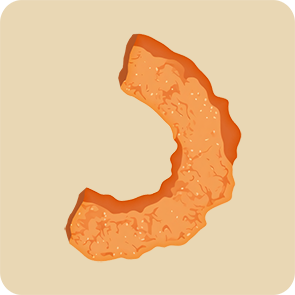
Pepperoni

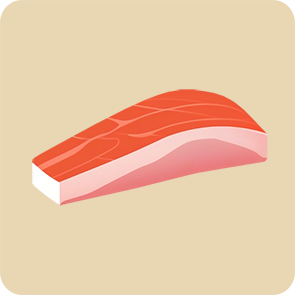
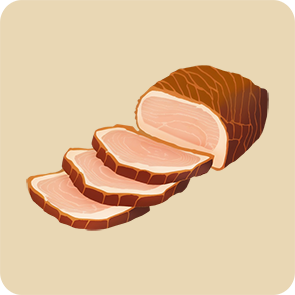
Pancetta
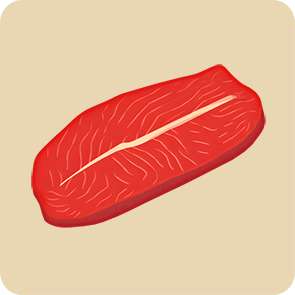
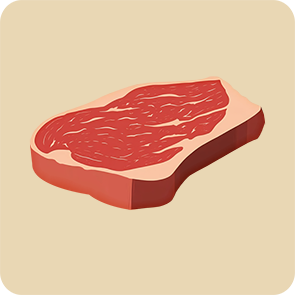
Pastrami
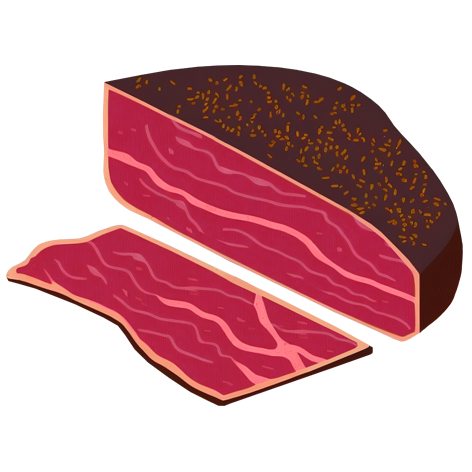
A flavorful and smoky deli meat, pastrami is made by curing beef (often brisket), then seasoning it with spices, smoking, and steaming it. It’s a staple in classic deli sandwiches,
40
1 slice
(30 grams)
CAL
E
Nutri-Score
High in protein, but also high in sodium and saturated fat.
Value per 100 grams & per cup (140g):
150 kcal | 205 kcal
Protein
15 grams | 20 grams
Fats
10 grams | 15 grams
Carbohydrates
1.5 grams | 2 grams
Fiber
None
Vitamins & Nutrients
- Iron: Supports red blood cell production and oxygen transport.
- Zinc: Strengthens the immune system and aids wound healing.
- Vitamin B12: Essential for nerve function and DNA synthesis.
- Selenium: Plays a role in metabolism and immune function.
Satiety and Feelings
Pastrami is rich and savory, providing a satisfying protein punch. Its saltiness and spice can boost flavor in sandwiches, but it may leave you thirsty. Due to its fat content, it can feel heavy if eaten in large quantities.
What does 100 g look like?
About 3–4 slices of pastrami or 1 cup loosely packed.
What does 2000|2500 calories look like?
Roughly 13.5 to 17 cups or 1.4 kilograms (3.1 pounds) of pastrami.
Daily Value per 100 grams %
Did you know?
- Pastrami originated from Romanian Jewish cuisine and became popular in the U.S. through New York delis.
- It’s traditionally made by brining, smoking, and steaming beef, typically brisket.
- The word “pastrami” likely comes from the Romanian “pastramă,” which means to preserve.
- Classic pastrami on rye sandwiches are often topped with mustard and pickles.
- In traditional delis, pastrami is hand-cut to preserve texture and flavor.
Drawbacks ⚠️
High in sodium, which may raise blood pressure if consumed frequently.
It is a processed meat, linked to increased health risks when eaten often.
Contains saturated fat, which may contribute to cholesterol issues.