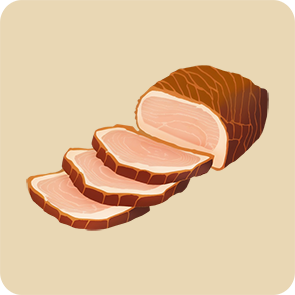
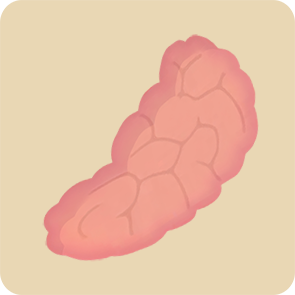
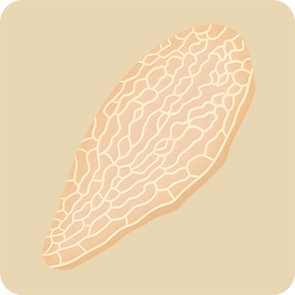
Duck Breast

Duck Egg

Duck
Duck meat is rich and flavorful, higher in fat than chicken or turkey, especially with skin. It’s packed with protein, iron, and B vitamins, making it a nutrient-dense choice.
8500
1 medium bird
(3000 grams)
CAL
A
Nutri-Score
High in protein and iron, rich in healthy fats.
Value per 100 grams & per cup (150g):
405 kcal | 505 kcal
Protein
27 grams | 40 grams
Fats
20 grams | 27 grams
Carbohydrates
None
Fiber
None
Vitamins & Nutrients
- Vitamin B12: Supports nerve function and red blood cell production.
- Iron: Important for oxygen transport and energy production.
- Zinc: Aids immune health and wound healing.
- Niacin (B3): Helps convert food into energy.
Satiety and Feelings
Duck’s rich fat content offers a satisfying, hearty meal that keeps you full longer, but due to its higher fat level, moderation is key.
What does 100 g look like?
About 3.5 ounces or a small duck leg portion without bones.
What does 2000|2500 calories look like?
About 5 cups (700 grams) or roughly 1.54 pounds (0.7 kg) of duck meat.
Daily Value per 100 grams %
Did you know?
Duck meat is prized in many cuisines worldwide, especially in Chinese and French cooking.
The mallard duck is the wild ancestor of most domestic duck breeds.
Duck fat is considered a healthy fat in moderation, often used for cooking due to its flavor and high smoke point.
Ducks have waterproof feathers thanks to a special oil they produce and spread with their beaks.
Ducks can sleep with one eye open to stay alert for predators.
Drawbacks ⚠️
High in fat and calories, which can contribute to weight gain if eaten in excess.
The skin contains a significant amount of saturated fat, which may impact heart health if consumed too often.
Duck meat can be more expensive and less widely available than other poultry like chicken or turkey.