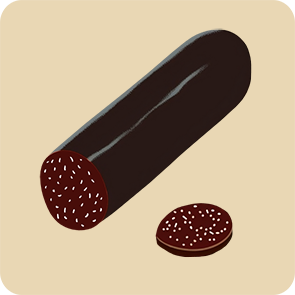
Bologna
Bresaola
Bratwurst
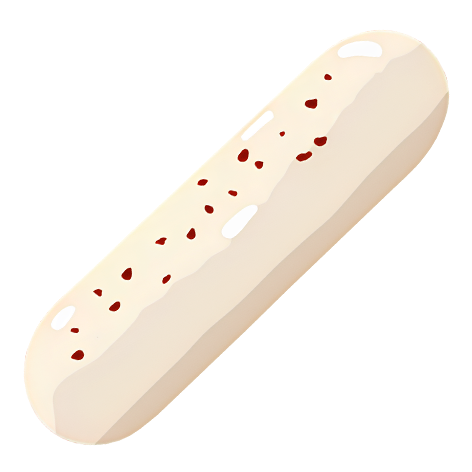
A hearty and well-seasoned sausage, bratwurst is traditionally grilled or pan-fried. Made primarily from pork or veal, it delivers a rich, savory taste and is commonly served with mustard and sauerkraut.
285
1 link, cooked
(85 grams)
CAL
D
Nutri-Score
High in protein and rich in flavor.
Value per 100 grams & per cup (130g):
335 kcal | 435 kcal
Protein
12 grams | 15.5 grams
Fats
30 grams | 40grams
Carbohydrates
1.2 grams | 1.5 grams
Fiber
None
Vitamins & Nutrients
- Vitamin B12: Important for nerve health and red blood cell formation.
- Iron: Supports oxygen transport in the blood.
- Zinc: Enhances immune response and wound healing.
- Selenium: Protects against oxidative stress.
Satiety and Feelings
Thanks to its high fat and protein content, bratwurst is very satiating. However, being low in fiber, it’s best paired with vegetables or whole grains for better digestive balance.
What does 100 g look like?
Roughly 1 bratwurst sausage or 3/4 cup sliced
What does 2000|2500 calories look like?
About 7 to 9 bratwursts or 5 to 6.5 cups sliced (approx. 680–850 grams or 1.5–1.9 pounds)
Daily Value per 100 grams %
Did you know?
Bratwurst dates back to the 14th century in Germany, with some regional varieties protected under EU food heritage laws.
The name “bratwurst” comes from the Old High German “brätwurst”, meaning finely chopped meat sausage.
There are over 40 types of bratwurst in Germany alone, with variations in seasoning, meat mix, and size. A traditional German sausage made with pork, veal, or beef, often seasoned with nutmeg, coriander, or caraway.
Bratwursts are often served during Oktoberfest and are a symbol of German culinary pride.
Drawbacks ⚠️
- High in saturated fat, which may contribute to heart disease if eaten frequently.
- Processed meat classification by the WHO links frequent consumption to increased cancer risk.
- Can be high in sodium, especially when factory-prepared.