Semi-Skimmed Cow Milk

Port Salut

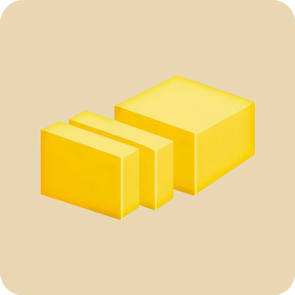
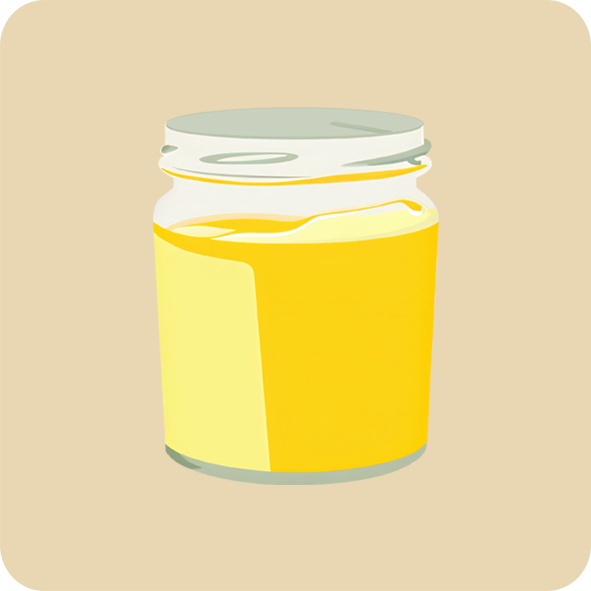
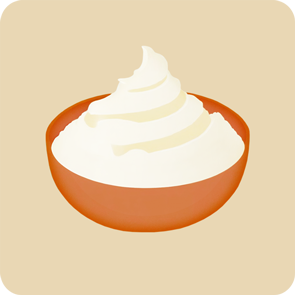
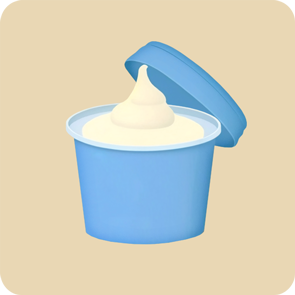
Whipped Butter
A light and airy form of butter, whipped butter is commonly used as a spread due to its fluffy texture and easy spreading.
80
1 tbsp
(15 grams)
CAL
D
Nutri-Score
Contains calcium and fat-soluble vitamins but is high in saturated fat and calories.
Value per 100 grams & per cup (240g):
720 kcal | 1730 kcal
Protein
1 grams | 2 grams
Fats
80 grams | 190 grams
Carbohydrates
None
Fiber
None
Vitamins & Nutrients
- Vitamin A: Supports vision, immune function, and skin health.
- Vitamin D: Helps regulate calcium absorption and bone health.
- Vitamin E: Acts as an antioxidant, protecting cells from damage.
- Calcium: Supports bone and teeth health.
Satiety and Feelings
Whipped butter is rich and creamy, providing immediate satisfaction and a feeling of indulgence. Its low protein and zero fiber means it may not keep you full for long.
What does 100 g look like?
About 7 tablespoons of whipped butter or ½ cup.
What does 2000 | 2500 calories look like?
About 28–35 tablespoons or 2 ½–3 ½ cups, weighing 390–490 grams (0.86–1.08 lbs).
Daily Value per 100 grams %
Did you know?
Whipped butter is made by incorporating air, making it lighter than regular butter while keeping most of the flavor.
It spreads easily even when cold, making it a favorite for toast and baking.
Despite being light in texture, it is still high in calories, so portion control is important.
Drawbacks ⚠️
High in saturated fat, which may impact heart health if overconsumed.
Low in protein and fiber, providing little long-term satiety.
Often contains added salts or stabilizers, which may not appeal to those seeking whole foods.