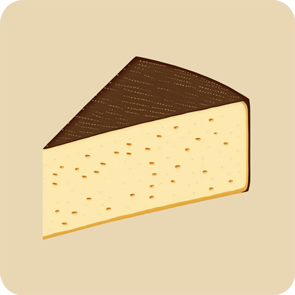
Parmesan
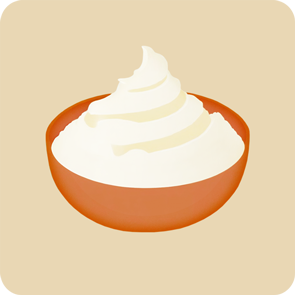
Ricotta
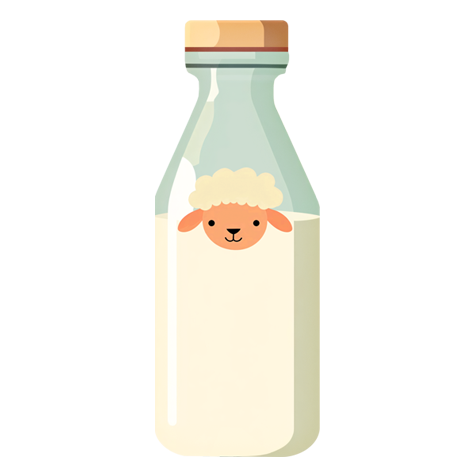
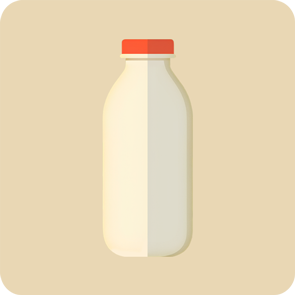
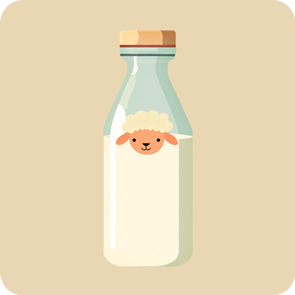
Sheep Milk
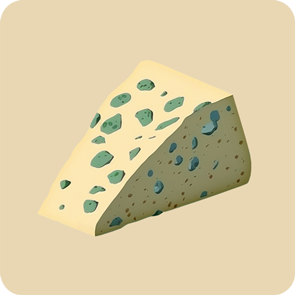
Known for its creamy texture and slightly sweet flavor, sheep milk is commonly used to make specialty cheeses like Roquefort and Pecorino.
260
1 cup
(240 ml)
CAL
B
Nutri-Score
Richer in protein, fat, and minerals than cow’s milk.
Value per 100 ml & per cup (240ml)
110 kcal | 260 kcal
Protein
5 grams | 14 grams
Fats
7 grams | 17 grams
Carbohydrates
5 grams | 12 grams
Fiber
None
Vitamins & Nutrients
- Calcium: Supports strong bones and teeth.
- Vitamin B12: Important for nerve function and energy production.
- Vitamin D: Helps with calcium absorption and bone health.
- Magnesium: Supports muscle and nerve function.
Satiety and Feelings
Sheep milk is rich and filling due to its higher fat and protein content, which may keep you satisfied longer.
What does 1 slice look like?
About the size of a playing card, roughly 5 cm (2 inches) wide, 5 cm (2 inches) long, and 3–4 mm (1/8 inch) thick.
What does 100 ml look like?
Just under half a cup or about 7 tablespoons.
What does 2000 | 2500 calories look like?
About 9 cups (2.16 liters / 4.76 lbs) of sheep milk.
Daily Value per 100 milliliters %
Did you know?
Sheep milk contains more protein and fat than cow or goat milk.
It’s a key ingredient in famous cheeses like Roquefort, Pecorino, and Manchego.
Sheep milk has a naturally higher content of calcium and vitamins.
Easier to digest for some people with lactose intolerance.
Drawbacks ⚠️
Higher in saturated fat than cow’s milk.
Can be more expensive and less widely available.
Not suitable for those with milk allergies.