Butter
Camembert
Buttermilk
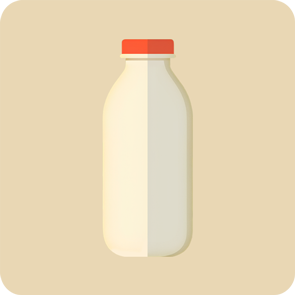
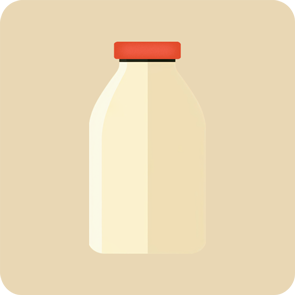
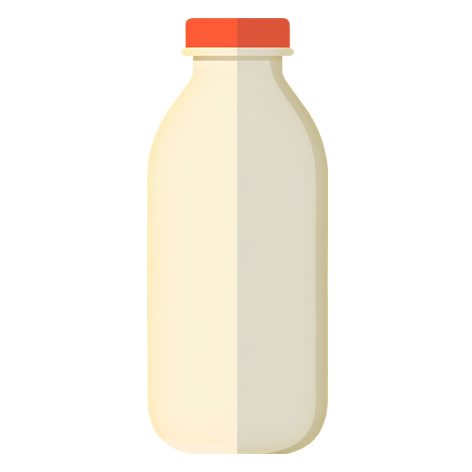
Traditionally the liquid left after churning butter, modern buttermilk is usually cultured milk with a tangy flavor, often used in baking, cooking, or enjoyed as a refreshing beverage.
100
1 cup
(240 ml)
CAL
B
Nutri-Score
Rich in probiotics, calcium, and protein.
Value per 100 ml & per cup (240ml)
40 kcal | 100 kcal
Protein
3 grams | 7 grams
Fats
1 gram | 2 grams
Carbohydrates
5 grams | 12 grams
Fiber
None
Vitamins & Nutrients
- Calcium: Supports strong bones and teeth.
- Vitamin B12: Essential for nerve function and energy production.
- Riboflavin (Vitamin B2): Important for energy metabolism.
- Phosphorus: Helps with bone and teeth formation.
Satiety and Feelings
Buttermilk is low in calories and fat but provides some protein and probiotics, which can support digestion but the thin liquid consistency provides little fullness
What does 1 slice look like?
About the size of a playing card, roughly 5 cm (2 inches) wide, 5 cm (2 inches) long, and 3–4 mm (1/8 inch) thick.
What does 100 ml look like?
About half a cup or 7 tablespoons of buttermilk.
What does 2000 | 2500 calories look like?
About 21 cups (5 liters / 11 lbs) of buttermilk.
Daily Value per 100 milliliters %
Did you know?
Buttermilk is rich in probiotics that support gut health.
Traditionally, it was the liquid leftover from butter churning.
Contains more calcium than regular milk.
Often used in baking to add tenderness and flavor.
Drawbacks ⚠️
Some brands may contain added sugars, increasing calorie content.
Not suitable for those with lactose intolerance unless labeled lactose-free.
Lower in fat and calories, so it may not keep you full for long.