Cottage Cheese

Cow Milk

Cooking Cream
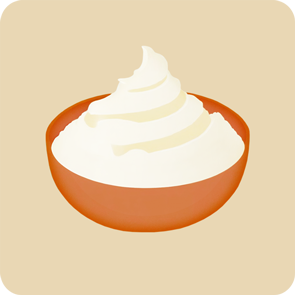
A smooth, thick cream used primarily for cooking, sauces, and soups, cooking cream enhances flavor and texture without curdling during heat.
30
1 tbsp
(15 milliliters)
CAL
D
Nutri-Score
Contains fat and calcium.
Value per 100 ml & per cup (240ml):
205 kcal | 490 kcal
Protein
2 grams | 5 grams
Fats (full-fat, 20% fat)
18 grams | 43 grams
Carbohydrates
3 grams | 7 grams
Fiber
None
Vitamins & Nutrients
- Calcium: Supports bone strength and health.
- Vitamin A: Helps maintain vision and immune function.
- Phosphorus: Important for energy metabolism and bones.
- Vitamin D: Helps with calcium absorption and bone health.
Satiety and Feelings
Cooking cream provides a rich mouthfeel and satisfaction mainly from its fat content but offers little in terms of lasting fullness due to low protein and no fiber.
What does 100 g look like?
Just under 2/3 cup of cooking cream.
What does 2000 | 2500 calories look like?
About 14 cups or 8.4 kg (18.5 lbs) of cooking cream.
Daily Value per 100 milliliters %
Did you know?
Cooking cream is designed to be stable at high temperatures and won’t curdle easily.
It is often used to thicken sauces and add richness without heavy cream’s high fat content.
Contains less fat than heavy cream but more than regular milk or half-and-half.
Popular in many cuisines for its ability to blend smoothly into hot dishes.
Drawbacks ⚠️
High in saturated fat, which can affect heart health if consumed in excess.
Contains calories mostly from fat, so portion control is important.
As a processed dairy product, may contain additives or stabilizers.